EU agrees faster permits for grids, renewables and storage
The provisional deal on the permitting directive completes the first half of the European Grids Package. Member states will have 18 months to apply it once it is formally adopted.
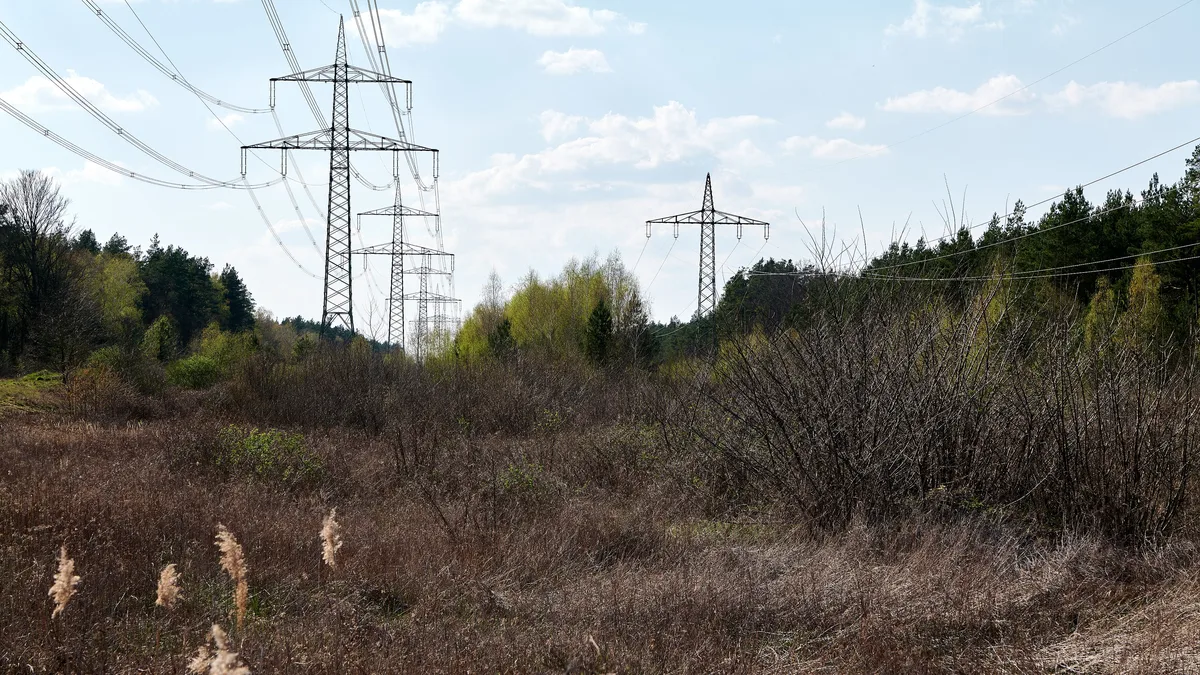
Negotiators for the European Parliament and the Irish Presidency of the Council reached a provisional agreement early on 18 November to speed up permits for renewable energy projects, electricity grids, energy storage and recharging stations across the EU, the Parliament said.
The deal introduces shorter approval deadlines, a single national digital portal for all permitting steps and a dedicated EU wide permitting framework for grid infrastructure. It still has to be endorsed by both institutions before formal adoption.
What changes
The agreement strengthens the principle that renewable energy and electricity grid projects are of overriding public interest, which clears several administrative hurdles. Member states can set this presumption aside only in duly justified cases where the conflicting interest is cultural heritage or security and defence.
Approval deadlines are capped by technology. According to the Parliament, they must not exceed three months for solar equipment and co-located storage (excluding hydrogen), six months for stand alone storage and recharging stations, and two years for pumped hydropower storage. Grid connection procedures get a deadline of three months, extendable to six if justified, with exceptions for small or isolated systems such as those in outermost regions.
Higher thresholds for small projects
Lawmakers raised the capacity threshold above which permits are needed for small solar installations, storage and recharging stations from 100 to 200 kilowatts. Recharging stations of 1 megawatt or less installed on artificial structures will need no administrative permit at all. Member states may also apply tacit approval to certain intermediate steps, according to the Council summary reported by Power Systems Technology.
The threshold for mandatory benefit sharing with local communities falls from 10 megawatts to 7 megawatts. Projects run by renewable energy communities are exempt.
Why it matters
Slow permitting is one of the main reasons energy projects in the EU are delayed. The Parliament notes that transmission grids take around ten years to complete, with permitting accounting for more than half of that time, while renewable projects can still take up to nine years to permit depending on the country and technology, and storage from one to seven years.
"We took a very important step tonight to make sure that we get a faster rollout of renewables and grid infrastructure," said lead MEP Niels Fuglsang. Ireland's Minister for Climate, Energy and the Environment, Darragh O'Brien, said the agreement completes the first half of the European Grids Package, Anadolu Agency reported.
The Commission proposed the rules on 10 December 2025 as part of the grids package under the Competitiveness Compass and the Clean Industrial Deal. Once adopted, member states will have 18 months to transpose the directive into national law.
What it means for founders and investors
For energy startups, the most immediate effect could come from the higher permit thresholds and fixed deadlines. Developers of commercial rooftop solar, battery storage and fast charging can plan with more certainty when approvals and grid connections are capped at a few months. That matters for financing too: lenders price permitting risk, and shorter, predictable timelines can lower the cost of capital for portfolios like the battery storage build out we covered in Germany.
The single digital portal is also an opening for software companies that help developers, grid operators and authorities manage applications, documents and connection queues. Investors should watch the next steps closely: the vote in the Parliament's industry committee, plenary and Council endorsement, and above all how quickly national governments transpose the rules. How fast national authorities staff and digitise their permitting offices will decide whether the new deadlines are met in practice.
For grid operators and the large industrial users that depend on them, the reform also matters because grid connection queues have become a bottleneck for new factories, data centres and electrified industrial sites. Fixed connection deadlines and more transparent procedures give companies a clearer basis for site decisions, even if the full effect will only be visible once the rules apply in each country.
Spotted an error? Email contact@europreneursmedia.com and we'll correct it. See our corrections policy and editorial standards.