Rockwell Automation to buy Austrian robot maker AGILOX
The Upper Austrian company, founded in 2017, will be combined with Rockwell's OTTO robots to build a full material movement offering for factories and warehouses. No price was disclosed.
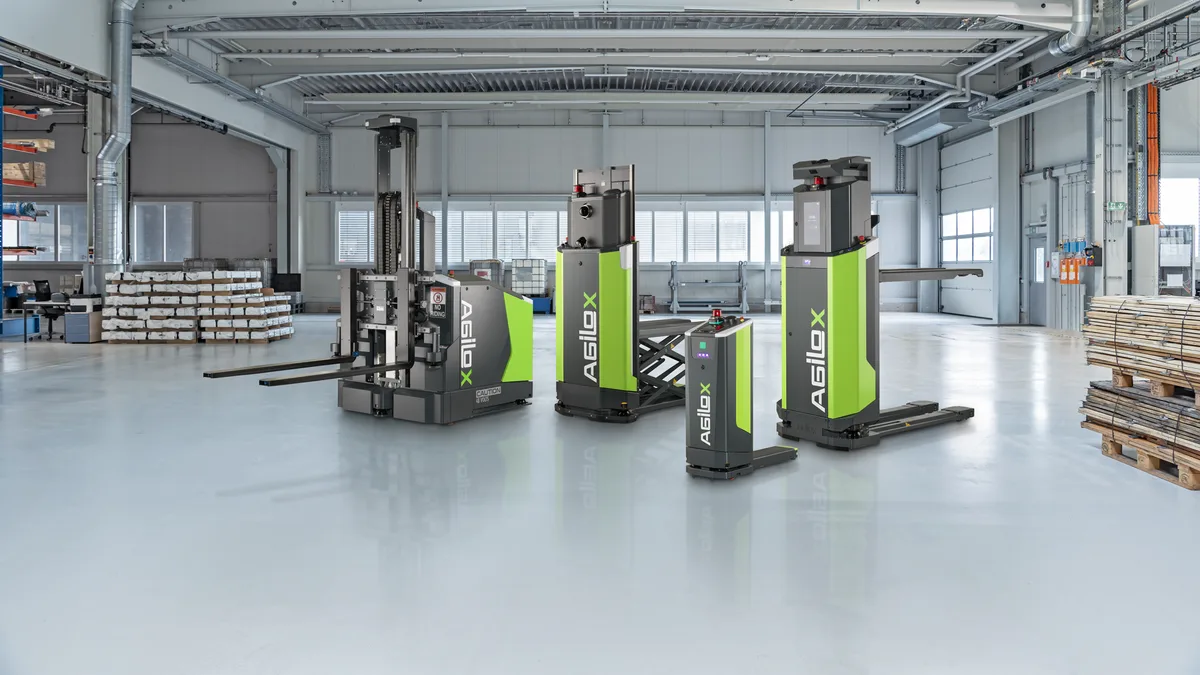
Rockwell Automation, the Milwaukee based industrial automation group, has signed a definitive agreement to acquire AGILOX, an Austrian maker of autonomous mobile robots (AMRs) driven by its own artificial intelligence and swarm networking technology, the company announced on 18 November.
Rockwell said the deal will more than double its AMR business. The transaction is subject to closing conditions and regulatory approval and is expected to close in the second quarter of Rockwell's 2027 fiscal year. Neither side disclosed the price in its announcement.
Who AGILOX is
AGILOX was founded in 2017 and is headquartered in Neukirchen bei Lambach in Upper Austria. It builds forklift style robots that move pallets and goods through warehouses and production lines without fixed routes, and it has focused on using AI from the start to improve how its robots navigate and stay safe. The company says it has deployed more than 2,500 AMRs for international customers, employs more than 250 people and has subsidiaries in Europe, the United States and China.
The automotive industry has been a core market, but its robots also serve third party logistics, food and beverage and pharmaceutical customers. Private equity firm Carlyle, which has been AGILOX's majority shareholder since 2021, said in a separate statement that it agreed to sell the company to Rockwell.
Why Rockwell wants it
Rockwell already sells flatbed AMRs under the OTTO by Rockwell Automation brand, which is strong in North America. AGILOX brings forklift AMRs and an established customer base in Europe. Together they are meant to cover autonomous material movement across an entire plant floor, from moving pallets to transporting parts between machines.
"Combining AGILOX and OTTO technologies creates a best-in-class technology platform, bringing together complementary capabilities to set a new standard for autonomous material movement," said Blake Moret, chairman and chief executive of Rockwell Automation.
AGILOX will gain access to Rockwell's customer relationships in sectors such as consumer packaged goods and life sciences. "This gives AGILOX the scale and market reach that we couldn't build on our own," said co-founders and co-chief executives Dirk Erlacher and David Niedermaier. After closing, AGILOX will report to Rockwell's Intelligent Devices segment.
French language coverage by Investing.com confirmed the terms of the announcement, including the timing and the reporting line.
The physical AI race
Rockwell frames the purchase as part of its physical AI strategy, a term the industry uses for AI that perceives and acts in the real world through machines. European robotics companies have been raising large sums on that theme this year, including Agile Robots' USD 500 million Series F. The AGILOX deal shows the other route to scale: being bought by a global industrial group that already sells into thousands of factories.
A familiar pattern for European hardware
Many European robotics and industrial technology firms reach a point where building a global sales and service network alone becomes too slow or too expensive. AGILOX's founders said as much in their statement. For US acquirers, European companies offer proven products, engineering talent and an installed base in demanding industries such as German and Austrian car making.
What it means for founders and investors
For robotics founders, the deal is a signal that strategic buyers are paying attention to companies with real deployments rather than prototypes. Thousands of robots in live customer sites, a clear product category and an existing service footprint are what make a company attractive to a buyer that wants to plug it into a global sales engine.
For investors, the exit is a reminder that private equity backed growth companies in industrial tech can find buyers among US strategics, even in a slower IPO market. It also raises a question that Europe's tech community has debated all year: how many of its best industrial technology companies will end up owned outside Europe, and what that means for keeping the know how and jobs in the region.
Spotted an error? Email contact@europreneursmedia.com and we'll correct it. See our corrections policy and editorial standards.