Return secures EUR 835m portfolio financing to scale battery flexibility in Germany
The first-of-kind structure combines physical battery project finance with a virtual flexibility book. Initial coverage is 117 MW across three German sites under construction.
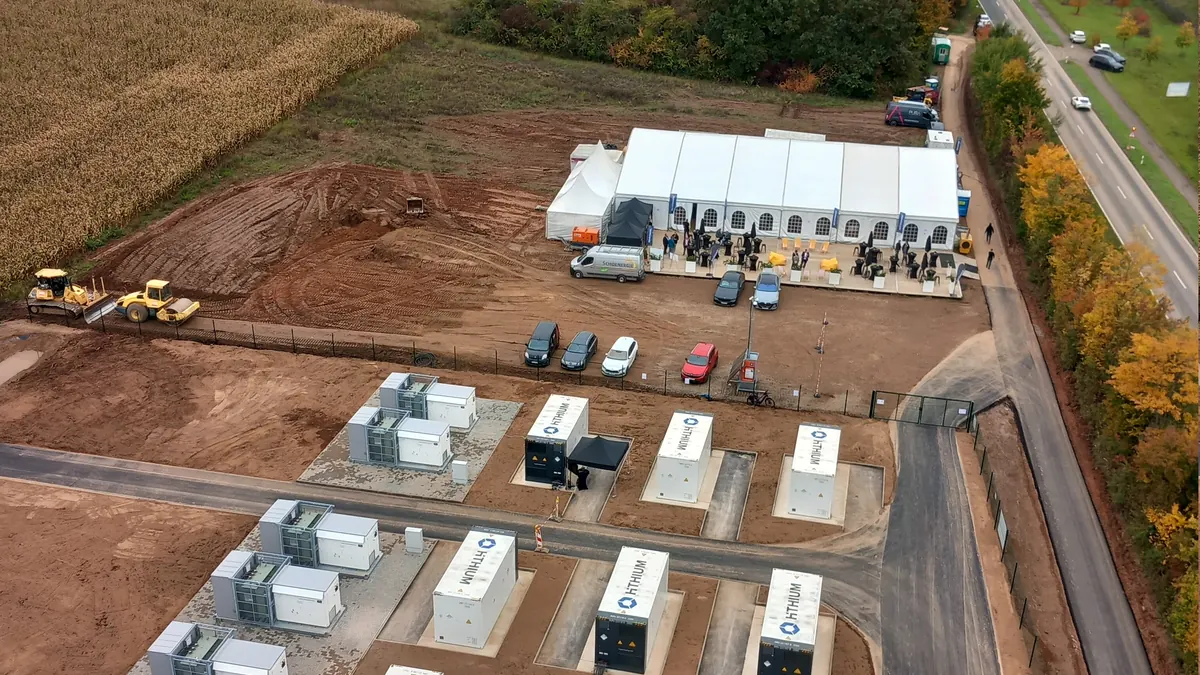
Dutch energy storage operator Return has secured EUR 835 million in portfolio financing underwritten by Deutsche Bank and Rabobank to expand battery capacity behind its Virtual Flexibility Portfolio in Germany. The company called the structure first of its kind for combining physical BESS financing with a virtual flexibility portfolio.
Energy Storage News reported that the facility initially covers 117 MW across three German projects under construction, with more projects to be added through 2027 as Return aims to install at least 1 GW a year in Germany from 2027.
What the financing covers
According to Return's announcement of 4 November 2026, the portfolio framework lets eligible battery projects tap capital without restarting a full financing process for each site. Three German projects totalling 117 MW are already under the facility. The company said that, assuming four-hour batteries operating at two full cycles a day, the facilities could discharge enough electricity annually to match the yearly consumption of about 100,000 German households.
Return aims to install at least 1 GW of battery storage a year in Germany from 2027, which would mean planned annual investment of EUR 750 million to EUR 1.2 billion, subject to market conditions. The company is headquartered in Amsterdam and is expanding in Germany. Energy Storage News noted that Return began its German push in 2024, already runs large projects in the Netherlands and has also acquired a Spanish project portfolio.
"As demand for energy flexibility grows, we need to scale not just our battery storage capacity, but also the way we finance it. By bringing together physical infrastructure financing and our virtual flexibility model, we can expand more efficiently and respond to our customers' evolving needs," CFO Daniel Witvoet said in the company release.
Customers and offtake
ENGIE recently expanded its German partnership with Return to 400 MW of contracted battery flexibility, while Centrica Energy signed a separate 100 MW agreement. Return also works with Vattenfall, Essent and Eneco in other European markets. The Virtual Flexibility Portfolio pools capacity from multiple battery assets so energy companies can access flexibility through a single interface as renewables grow.
Advisors on the deal
Rabobank acted as financial advisor. Hogan Lovells Cadwalader advised the borrowers and White & Case advised the lenders. Baker McKenzie handled project due diligence; Baringa was commercial advisor; DNV was technical advisor; EY and EY Parthenon worked on tax structuring and modelling; Marsh advised on insurance. White & Case separately confirmed its role for the lenders on the EUR 835 million facility.
Why Germany needs the capacity
As wind and solar rise, German utilities need flexible capacity to balance supply and demand. Return previously used a multi-project framework for its Sirius portfolio in the Netherlands; the German deal extends that model by tying physical asset finance to the virtual flexibility book. Energy Storage News also framed the timing against a year-end rush for German projects seeking grid-fee exemptions, though Return's own release focused on customer demand and portfolio scale rather than that regulatory deadline.
Dominik Thumfart, head of infrastructure and energy origination at Deutsche Bank, said battery storage helps optimise intermittent generation and grid stability. Marc Schmitz, head of project finance Europe at Rabobank, said Germany needs more flexible capacity as wind and solar grow, and that the bank is combining advisory, underwriting, project finance and hedging for Return's expansion.
Why it matters for European founders and investors
Large, repeatable portfolio finance for European battery storage is still uncommon. A structure that can add projects without reinventing the capital stack each time is relevant for storage developers, offtakers and climate funds watching Germany's flexibility gap. For related energy and infrastructure capital, see 1KOMMA5°'s funding and our funding section.
The combination of physical BESS debt with a virtual offtake book also matters for how European energy traders buy flexibility: instead of contracting site by site, they can scale through one interface while Return finances the underlying assets in a shared facility.
What happens next
Return will add eligible German projects to the facility through 2027 and pursue its plan to deploy at least 1 GW a year in Germany from 2027, subject to markets and grid connection conditions.
Spotted an error? Email contact@europreneursmedia.com and we'll correct it. See our corrections policy and editorial standards.