EU preliminarily finds Temu failed to curb illegal products under the DSA
Brussels points to weak checks on product safety, too few human moderators and sanctions that hit stores rather than traders. A final decision could bring a fine of up to 6% of global turnover.
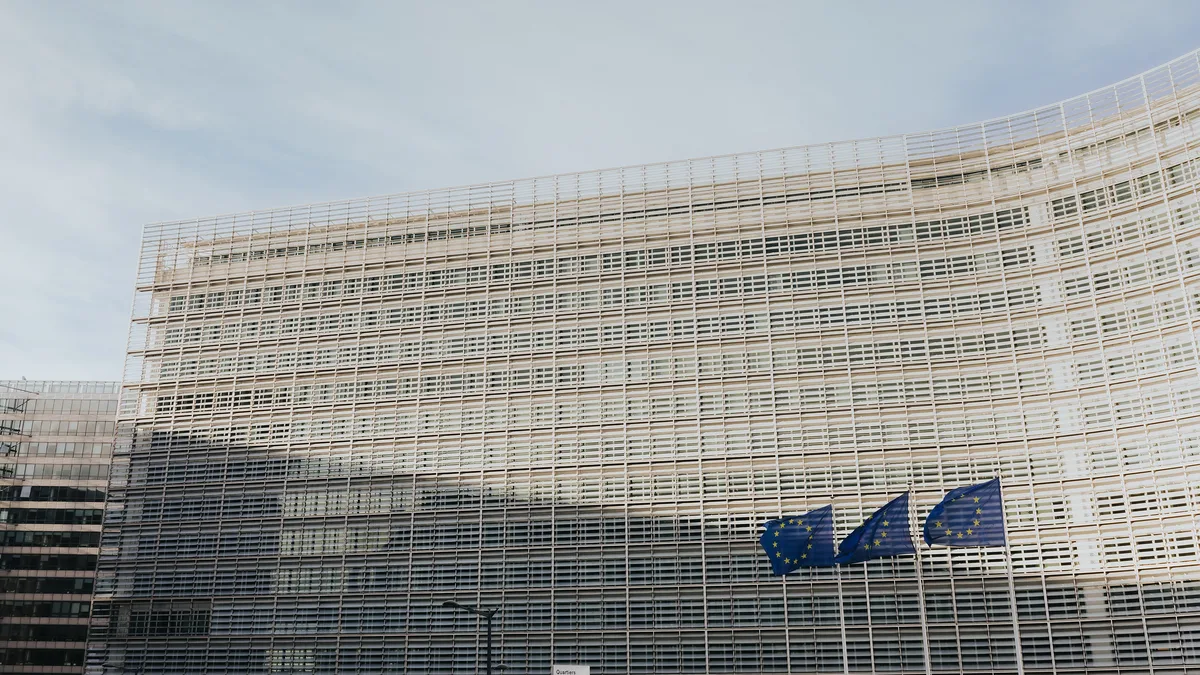
The European Commission has preliminarily found that Temu breached the Digital Services Act by failing to put in place reasonable, proportionate and effective measures to reduce the risk of illegal products being sold on its marketplace, it said on 17 November.
The Commission identified three weaknesses: ineffective controls on product compliance, a weak content moderation system and an ineffective sanction system. Temu rejected the findings, Euronews reported. The findings are not a final decision.
What the Commission found
On product safety, the Commission said Temu has controls in place but that they do not look closely enough at whether products comply with EU safety rules. Temu asks sellers for test reports for only a very small share of products, and often does not check those reports when they are required. While Temu classifies categories such as toys, electronics and cosmetics as high risk, the Commission said it does not prioritise them for physical checks, has often not followed up on spot check results and has not increased inspections as listings grew.
On moderation, the Commission said Temu's system mainly checks the information attached to a listing and compliance with its own terms and conditions rather than the safety of the product itself. The tool that compares new listings with previously identified non compliant ones does not focus enough on unsafe products, and the number of human moderators has not kept pace with the growth in listings.
Sanctions aimed at the wrong level
The third finding concerns enforcement against sellers. According to the Commission, Temu imposes sanctions on individual stores rather than on the trader behind them, even though one trader can run several stores. A trader whose store is closed can keep selling through others, and traders can commit a large number of serious infringements, including selling products that fail safety checks, before any of their stores is suspended.
"Shopping online should not mean risking the purchase of illegal and unsafe products," said Henna Virkkunen, the Commission's executive vice president for tech sovereignty, security and democracy.
Temu's response
Temu said it respectfully disagrees with the preliminary findings, according to Euronews. The company said it "invests significantly in compliance infrastructure and human expertise" and that its control measures "effectively mitigate illegal product risks with a consistently low incidence of problematic products". It said it would review and respond to the findings carefully, continue to engage constructively with the Commission and was confident of reaching an amicable resolution.
Background and next steps
The Commission opened formal proceedings against Temu in October 2024, covering the sale of illegal products, potentially addictive design, recommender systems and data access for researchers. In May it found Temu in breach of its obligation to carry out an appropriate risk assessment and fined it EUR 200 million; in October 2026 it approved Temu's action plan to fix that breach. Today's findings concern a separate obligation under Article 35 of the DSA to take concrete measures to mitigate risks. EUobserver reported that Temu has more than 120 million users in the EU, according to Commission officials, and that consumer group BEUC welcomed the step.
Temu can now examine the investigation file and reply in writing, and the European Board for Digital Services will be consulted. If the Commission confirms its view, it may adopt a non compliance decision with a fine of up to 6% of the provider's total worldwide annual turnover and order measures to address the breach.
What it means for founders and investors
For European marketplaces, retailers and consumer brands, the case is a reminder that the DSA judges systems, not just outcomes. The specific weaknesses listed, from unchecked test reports to sanctions that do not follow the trader, are a practical checklist for any platform that hosts third party sellers, and a sign of what regulators will ask of smaller players as they scale. Startups building product compliance, trader verification and moderation tools may also see stronger demand. For earlier DSA enforcement, see our report on the Commission's case against TikTok's For You feed and on the proposed Digital Fairness Act.
Spotted an error? Email contact@europreneursmedia.com and we'll correct it. See our corrections policy and editorial standards.