UK inflation rises to 3.6% in October as diesel hits a record price
Motor fuel and tobacco pushed prices up for a fourth month in a row, while food inflation slowed to its lowest rate since 2021. The Bank of England, which raised rates to 4% this month, meets again in December.
UK consumer price inflation rose to 3.6% in the 12 months to October 2026, up from 3.5% in September, the Office for National Statistics reported on Wednesday 18 November. On a monthly basis, the Consumer Prices Index rose by 0.5%, compared with a rise of 0.4% in October 2025.
The figure matched the consensus of forecasters compiled by Pantheon Macroeconomics, according to a preview by The Independent. It is the fourth consecutive rise in the annual rate since inflation dipped to 2.6% in June, and the ONS said CPI was last higher in September 2025.
What drove the increase
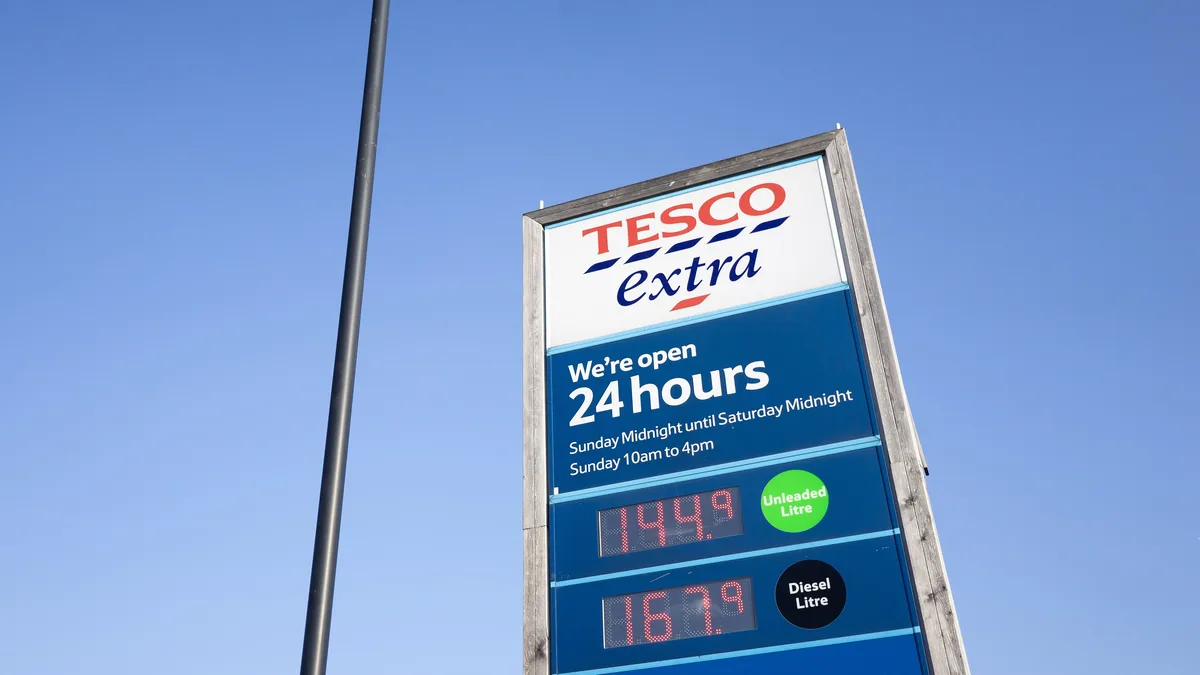
Transport, particularly motor fuels, made the largest upward contribution to the change in the annual rate. The average price of petrol rose by 5.2 pence per litre between September and October to 174.7 pence, the highest since August 2022. Diesel rose by 7.0 pence to 199.5 pence per litre, the highest price since ONS records began in January 1996. Overall motor fuel prices were 33.2% higher than a year earlier, the largest annual rise since July 2022.
Tobacco added further pressure. Tobacco prices rose by 5.2% between September and October, compared with a small fall a year earlier, which the ONS said was possibly influenced by the timing of a tobacco duty increase that took effect on 1 October. Alcohol and tobacco inflation rose to 4.5% from 2.5%.
Household energy moved in two directions. A change in the Ofgem energy price cap contributed to a 6.3% rise in gas prices on the month, while electricity prices fell by 0.8%, helped by the government's cut in VAT on electricity from 5% to 0% from 1 October, according to the ONS.
What held prices back
Restaurants and hotels made the largest offsetting downward contribution, with annual inflation in that division easing to 3.4% from 3.8%. Food and non-alcoholic beverage inflation slowed to 0.9% from 1.3%, the lowest rate since September 2021. Chocolate prices fell by 2.9% on the month, which the ONS linked partly to lower cocoa costs and a near doubling in the share of discounted prices.
Underlying measures were steadier. Core CPI, which excludes energy, food, alcohol and tobacco, rose by 2.8% in the 12 months to October, little changed from September. Goods inflation rose to 3.5% from 3.2%, while services inflation was 3.7%, little changed. The broader CPIH measure, which includes owner occupiers' housing costs, rose to 3.7% from 3.6%.
The Bank of England's view
The release comes two weeks after the Bank of England's Monetary Policy Committee voted by 8 to 1 to raise Bank Rate by 0.25 percentage points to 4%, with one member voting for a rise to 4.25%. In its November summary, the committee said the conflict in the Middle East, now in its ninth month, had kept global energy prices rising, and that it expected CPI inflation to reach around 5% by the middle of next year before falling back.
The committee also said there was limited evidence so far of knock-on effects from energy into other prices and wages, and that it would monitor underlying pay, pricing behaviour and slack. October's stable core and services rates are the kind of data it will weigh at its next decision, due on 17 December. The ONS publishes November inflation figures on 16 December, the day before.
Why it matters
The October numbers show a split economy. Price pressure is concentrated in energy and duties, which households and businesses cannot easily avoid, while food, hospitality and core prices are calmer. That pattern supports the Bank's argument that the shock is mainly imported, but it also means the headline rate is likely to keep rising if fuel prices stay high, which is what the Bank itself expects.
For companies, fuel and energy costs feed directly into logistics, delivery and manufacturing budgets. Firms that sell to consumers face customers whose spending on essentials is rising faster than their other spending, while the slowdown in food inflation offers some relief to grocery and food businesses.
What it means for founders and investors
For founders, the main channel is the cost of money. With Bank Rate at 4% and the Bank signalling that policy is not on a pre-set path, debt financing, venture debt and revenue based finance stay more expensive than a year ago, and investors are likely to keep favouring companies with clear paths to profitability. Startups with heavy fuel, delivery or energy exposure should plan for higher costs into 2027, in line with the Bank's own projections.
For investors, the gap between headline and core inflation is the number to watch before the December meeting. A rise in core or services inflation would strengthen the case for further tightening, while stable readings would support the view that the Bank can look through an energy driven peak. For more context, see our reports on UK growth in the third quarter and the European Central Bank's latest rate decision.
Spotted an error? Email contact@europreneursmedia.com and we'll correct it. See our corrections policy and editorial standards.