EU proposes Digital Fairness Act to ban dark patterns and subscription traps
The European Commission has formally proposed the Digital Fairness Act and a reform of consumer law enforcement. Any company selling to EU consumers online would be affected, from start-ups to large platforms.
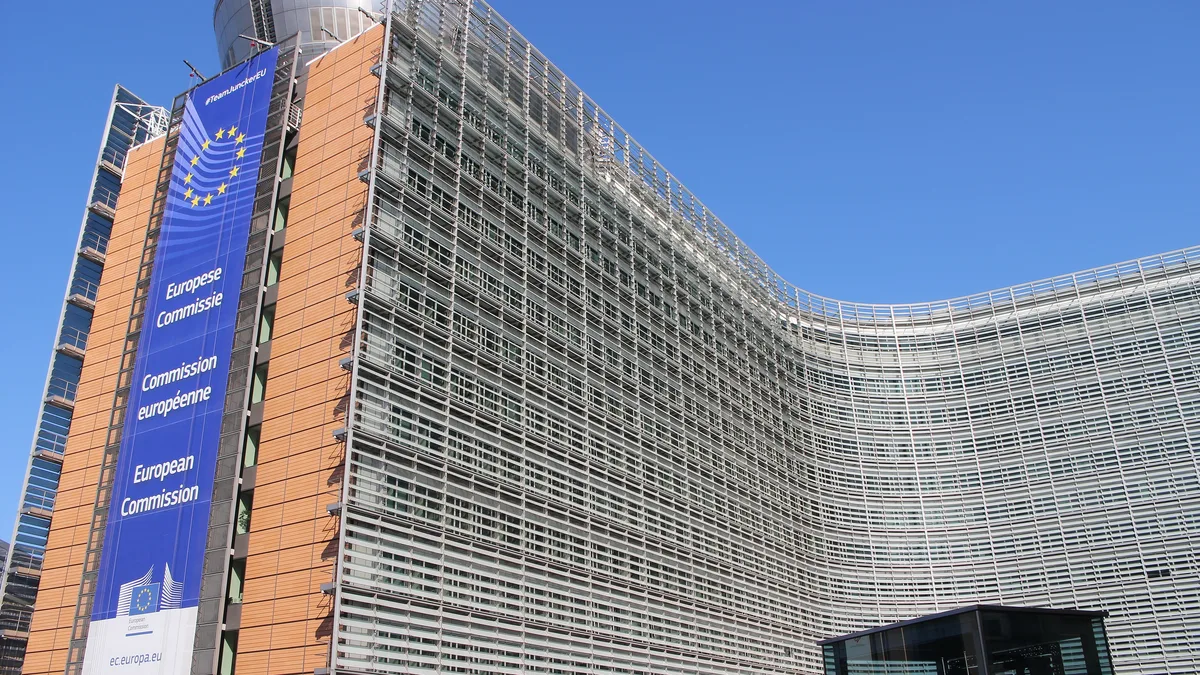
The European Commission on Wednesday 11 November adopted its proposal for a Digital Fairness Act, together with a simplification directive and a revision of the Consumer Protection Cooperation (CPC) Regulation. The Commission calls the package the most significant upgrade of EU consumer protection law in over 20 years.
The draft law targets dark patterns, addictive design, unfair personalisation, influencer marketing, opaque pricing and subscriptions that are hard to cancel. Under the enforcement reform, the Commission could investigate very large cross-border cases itself and fine companies up to 6% of their worldwide annual turnover, Reuters reported. Both texts still need the approval of the European Parliament and EU governments.
What the proposal would change
The Digital Fairness Act would turn the 2005 Unfair Commercial Practices Directive into a regulation that applies directly in all 27 member states, replacing national transpositions with one set of rules, according to the proposal text. It would apply 12 months after entering into force.
Dark patterns and pricing
Online interfaces designed in ways likely to distort consumers' decisions would be prohibited, and a list of specific dark patterns would be banned in all circumstances. The Commission's examples include false claims that a product is almost sold out. Sellers of tickets for cultural and sports events that use dynamic pricing would have to show the current price in real time in virtual queues, as well as the highest possible price. Purchases made with virtual in-app currencies would have to show their value in money.
Subscriptions, customer service and AI agents
Free trials could no longer turn into paid subscriptions unless the consumer expressly agrees, and consumers would get a reminder before the trial ends. Traders would have to offer an online function that makes it as easy to end a contract as it was to sign it. Consumers would also gain a right to reach a human in customer service, and clear rights when an AI agent buys products on their behalf, according to the Commission.
Addictive design, minors and influencers
All users would get accessible tools to switch off addictive features such as autoplay, endless feeds without breaks and notifications unrelated to their own activity, under the proposal. The Commission could update the list of such features later. Pay-to-win and pay-to-progress mechanisms would be banned for minors, and personalised advertising aimed at people known to be minors would be prohibited. Influencers would have to disclose commercial content clearly.
Stronger enforcement from Brussels
Today, national consumer authorities enforce these rules and the Commission cannot act directly. The CPC revision would let it investigate large-scale cases with a major impact across the single market, set deadlines for national authorities in cross-border cases, and require companies based outside the EU to appoint a legal representative in the Union, the Commission said. Its new direct powers would cover certain major cross-border breaches of consumer law, MLex reported.
"We are not making it harder to do business, we are making it harder to do business unfairly," justice and consumer commissioner Michael McGrath told a press conference, according to Reuters.
Costs and benefits
The Commission's impact assessment expects the measures to reduce financial harm to consumers by EUR 88.4 billion between 2025 and 2035. It puts recurring costs for business at EUR 678 million a year after adjusting for overlaps between measures, or EUR 1.2 billion without that adjustment. The Commission says the package as a whole could save consumers up to EUR 13.7 billion a year.
On smaller companies, the proposal acknowledges that SMEs may face an initial compliance burden from redesigning interfaces, processes and documentation. It argues they will gain from the simplification directive, which eases pre-contractual information rules for repeat in-app purchases, and from a market where rivals can no longer compete with exploitative practices. Authorities and courts would have to take a trader's size and financial resources into account when setting penalties.
Mixed reactions
The European consumer organisation BEUC backed the initiative. Industry groups have argued that existing laws already cover many of the practices. "Where existing rules already cover a practice, it should not be regulated or enforced a second time," Ben Brake, director general of the tech lobby DOT Europe, said, as quoted by Politico. IAB Austria warned of legal uncertainty and extra burdens for small and medium-sized companies, Trending Topics reported. Some MEPs want to go further, for example with a full ban on dynamic pricing for cultural and sporting events, according to Politico. Euronews reported that the German government had argued in an October non-paper for amending existing directives rather than creating a new horizontal law.
What it means for European founders and investors
The Digital Fairness Act is not a Big Tech law. It would apply to any business selling to EU consumers online, so a subscription app, a marketplace or a games studio with a few employees would face the same core rules as a large platform. Founders building consumer products should review their sign-up and cancellation flows, trial conversions, countdown timers, pricing displays and engagement features now, while the text is still being negotiated.
Business models that depend on hard-to-cancel subscriptions, in-game currencies sold to children or aggressive personalisation would come under the most pressure, and investors may start asking about this in due diligence. One rulebook instead of 27 national versions could also make it easier to launch across the EU. We covered a related enforcement case in our report on the Commission's preliminary findings against TikTok's For You feed, and the wider debate on EU rules for start-ups in our coverage of the EU Inc campaign.
Spotted an error? Email contact@europreneursmedia.com and we'll correct it. See our corrections policy and editorial standards.