UK watchdog says sell-offs could clear AkzoNobel-Axalta and McCormick-Unilever Foods deals
The Competition and Markets Authority will consult on both remedy packages. If it accepts them, it will clear the two large mergers without an in-depth phase 2 investigation.
The UK Competition and Markets Authority (CMA) said on Wednesday 25 November that remedies offered in two large mergers could in principle resolve its competition concerns. For AkzoNobel's merger with Axalta, the companies offered to sell AkzoNobel's vehicle refinish coatings business in Europe, including the UK, according to the CMA.
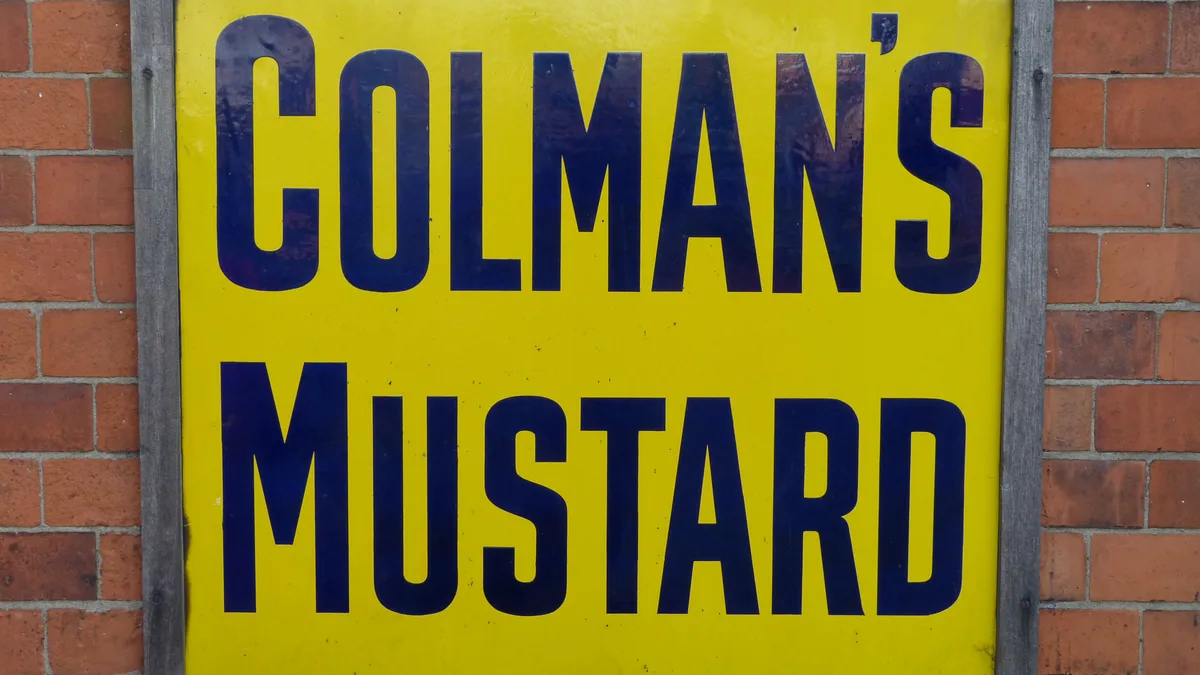
Separately, McCormick offered to sell the Colman's brand to address concerns about its planned acquisition of most of Unilever's food business, the CMA said. In both cases the regulator will consult before deciding whether to accept the undertakings.
AkzoNobel and Axalta
The CMA's phase 1 investigation found that combining the Dutch and US coatings groups would create the clear market leader in vehicle refinish coatings in the UK, the paints body shops use to repair cars. It said this could lead to higher prices and less choice for body shops and, in turn, for motorists.
To address this, the companies offered to sell AkzoNobel's vehicle refinish coatings business in the European Economic Area, Switzerland and the UK, including brands, assets, contracts and staff, to a buyer approved by the CMA. "We have provisionally concluded that the undertakings offered by AkzoNobel may be capable of addressing these concerns," said Richard Romney, the CMA's senior director of mergers.
The companies said in a joint statement that the package matches the one already agreed with the European Commission, which cleared the merger with conditions earlier this month. They said they remain confident the merger will be completed by early 2027. The combined group would have revenue of about USD 17 billion. The CMA found no concerns in thermosetting powder coatings.
McCormick and Unilever Foods
In the food deal, the CMA found that McCormick, which sells Schwartz products in the UK, and Unilever Foods, with brands such as Knorr and Colman's, are the two largest branded suppliers of dry ingredient mixes, such as chilli con carne mixes, and dry sauces, such as parsley sauce, sold to UK retailers. These products account for about GBP 140 million of sales a year in the UK.
Supermarket own-label products and brands such as Maggi and Bisto provide only limited competition, the CMA said, and limited shelf space makes it hard for rivals to expand. McCormick has now offered to sell the Colman's brand, which includes dry sauces and mixes as well as mustard and other cold sauces, to an approved buyer.
"Millions of packets of dry sauces and dry ingredient mixes are picked up as part of people's weekly shop, so it's important customers don't end up paying more as a result of this deal," said Elie Yoo, a senior director of mergers at the CMA.
Two weeks after the warning
The CMA had told the companies on 11 November to offer remedies or face a phase 2 investigation. FoodNavigator noted that the deal cleared US antitrust review in October. The CMA found no competition problem in mustard, because McCormick's French's and Unilever's Colman's and Maille brands sell different styles that shoppers do not generally see as substitutes.
What happens next
In both cases the CMA has found reasonable grounds to believe the undertakings, or a modified version, might be accepted. It will seek views from third parties and assess proposed buyers. If it accepts, the undertakings become legally binding and the deals are cleared without phase 2. If not, it can still refer them for an in-depth investigation.
What it means for European founders and investors
Divestments required by regulators create buying opportunities. A European vehicle refinish coatings business and a well-known British food brand will both need approved buyers, which could interest private equity firms and mid-sized strategic players.
For founders and investors planning acquisitions, the two cases show that the CMA will accept targeted sales of overlapping businesses rather than blocking whole deals, as long as the buyer can keep competition alive. Aligning remedies with the European Commission, as AkzoNobel and Axalta did, can speed up clearance in several jurisdictions. More regulatory news is in our Europe section.
Spotted an error? Email contact@europreneursmedia.com and we'll correct it. See our corrections policy and editorial standards.