EU proposes Quantum Act and lays groundwork for a Sovereign Tech Equity Fund
The proposal would coordinate EU and national quantum programmes, restrict public quantum tenders to Union-controlled suppliers and push public bodies towards post-quantum cryptography. It now goes to Parliament and Council.
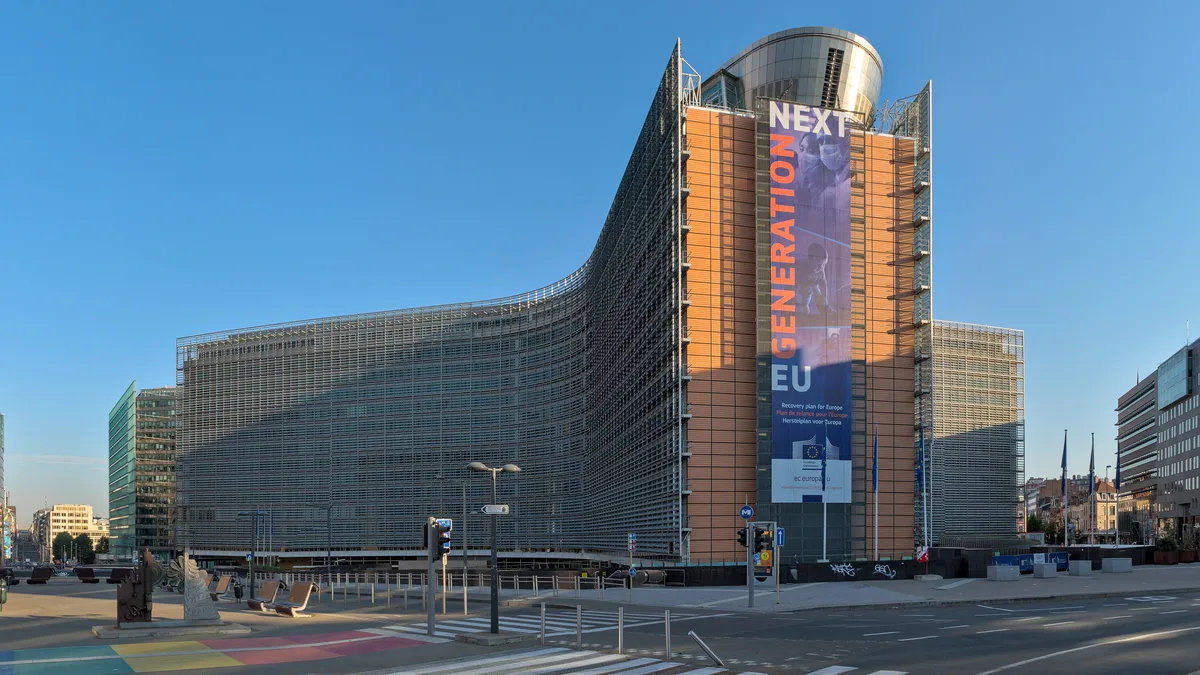
The European Commission on Wednesday 25 November proposed the Quantum Act, a framework meant to turn Europe's quantum research into products and services, strengthen supply chains and prepare digital systems for post-quantum cryptography, according to its press release. The proposal also lays the groundwork for a new Sovereign Tech Equity Fund (STEF).
The text is a proposal for a regulation and must now be negotiated by the European Parliament and the Council. Nothing applies until it is adopted, as the Commission's explainer and a legal summary by Pitch point out.
Three pillars
The Commission says the act rests on three pillars: research excellence, bringing quantum technology into use, and keeping systems and supplies secure. These would be delivered through a new Quantum Europe Framework Initiative that brings EU and national programmes together around shared priorities. The act builds on the Quantum Europe strategy launched in July 2025 and its ambition to make Europe a global leader in quantum by 2030, according to a Commission news article.
The proposal includes a Union-wide Quantum Excellence Network linking institutes and universities, "quantum grand challenges" to tackle technical bottlenecks, a European Quantum Service Platform giving researchers and companies a single interface to European quantum computers, and specialist hubs for start-ups and SMEs. Each Member State would have at least one quantum competence and acceleration centre as a first point of contact.
"Europe needs to accelerate now," said Henna Virkkunen, the Commission's Executive Vice-President for Tech Sovereignty, Security and Democracy. She said the act puts in place the key elements to turn research into industrial capacity, strengthen critical supply chains and prepare for the cyber risks linked to quantum computing.
Buying European and preparing for quantum attacks
Two rules stand out for companies. Under the proposal, public tenders for quantum products and services must include requirements on security of supply, interoperability and lifecycle support, and are restricted to Union-controlled entities and authorised partners, Pitch reported. The Commission stresses that this is not a blanket requirement that every component be made in the EU.
The second concerns post-quantum cryptography, which uses algorithms designed to resist attacks from both classical and future quantum computers. Public administrations covered by the NIS2 cybersecurity directive would have to buy products that support post-quantum cryptography for procurements started six months after the regulation enters into force. Where no suitable solution exists, a documented migration plan would be required. The act would also give the Commission a task to monitor supply chains and identify critical components and suppliers.
The Sovereign Tech Equity Fund
The proposal sets no budget of its own. Instead, the Commission says it empowers the EU to set up the STEF, an equity investment vehicle for technologies essential to Europe's technological sovereignty and economic security, such as quantum, AI, cybersecurity, biotech and chips. The EU would take part as a shareholder alongside Member States and other public or private investors, and the fund could be set up to work with the InvestEU instrument. The Commission's aim is to make it operational by the start of the next long-term EU budget.
Sifted reported that the plans foresee a fund of EUR 50 billion. The legal text itself does not set an amount, according to Pitch, so the final size remains open. Sifted also reported that European startup leaders called the proposal an important first step.
Governance
A Quantum Strategy Board of Member State representatives, chaired by the Commission, would coordinate EU and national work, and a European Quantum Alliance would bring in industry. Implementation would mainly sit with the EuroHPC Joint Undertaking, while quantum chips stay with the Chips Joint Undertaking.
What it means for European founders and investors
For quantum startups such as Qluster, the procurement rule could make public bodies a more reliable early customer, but who controls a company may decide whether it can bid at all. Founders who take money from non-EU investors should watch how "Union-controlled" is defined during negotiations.
Suppliers of IT products to public bodies should check their post-quantum roadmaps now, because crypto-agility could become a purchasing condition. For investors, a large public equity fund for strategic technologies would add to instruments such as the EIB's Tech Champions initiative, although its size and start date depend on the next EU budget. More policy news is in our Europe section.
Spotted an error? Email contact@europreneursmedia.com and we'll correct it. See our corrections policy and editorial standards.