EU and UK fine Givaudan, Firmenich and IFF over a fragrance cartel targeting Unilever
The Commission says the three suppliers swapped pricing information on their business with Unilever for four years. All three settled, and Givaudan says the head of its fragrance division will step down.
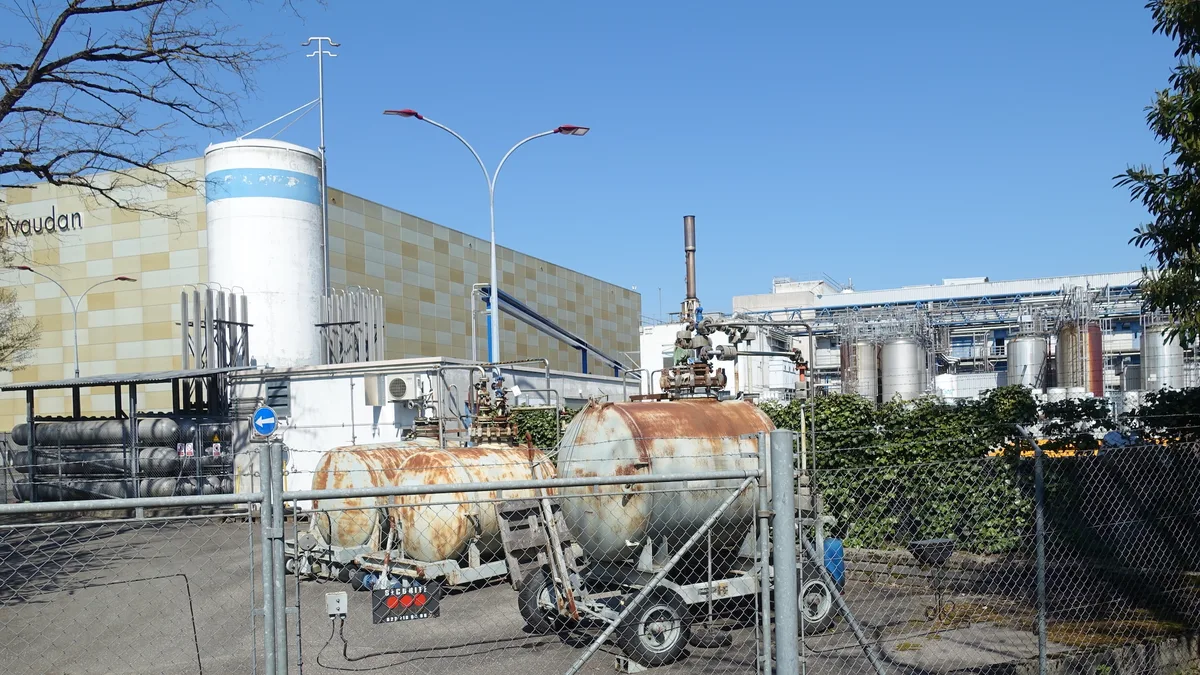
The European Commission fined Firmenich, Givaudan and International Flavors & Fragrances (IFF), the world's three largest fragrance producers, a total of EUR 471.9 million on Wednesday 25 November for taking part in a cartel covering the entire European Economic Area, according to the Commission's announcement. The companies exchanged commercially sensitive information, including on pricing, about their dealings with Unilever between March 2019 and March 2023.
On the same day, the UK Competition and Markets Authority fined the three companies a combined GBP 85 million for similar conduct. All three admitted the infringements and settled with both authorities.
What the regulators found
According to the Commission, all three companies shared information about many aspects of their day-to-day business with Unilever, the biggest buyer of consumer fragrances worldwide. This included price increases, price negotiation tactics and a possible energy surcharge. They also signalled to each other how they would handle Unilever's requests for more transparency on fragrance composition and ingredient costs, and agreed not to actively recruit each other's employees working on the Unilever account.
Givaudan and IFF also exchanged sensitive information about their wider consumer fragrance business and, at times, their fine fragrance business, which supplies perfumes. The Commission said senior employees were aware of the contacts, and that from November 2021 senior staff at Givaudan and IFF were directly involved. The CMA said some discussions took place at in-person "beer and curry" meetings in London.
How the fines break down
Givaudan received the largest EU fine at EUR 252.4 million, followed by Firmenich at EUR 137.7 million and IFF at EUR 81.9 million. Leniency reductions ranged from 20% for Firmenich to 50% for IFF, and every company received a further 10% for settling. Firmenich also received a 5% reduction for its more limited participation. It is the Commission's 45th cartel settlement since the procedure was introduced in 2008.
In the UK, the CMA fined Givaudan GBP 39.96 million, IFF GBP 24.57 million and Firmenich GBP 20.64 million. Because the companies were granted leniency before settling, they cannot appeal the decision, the CMA said.
"We have zero tolerance for cartels in any sector, but today I would like to stress that it matters in particular when household budgets are stretched," EU competition chief Teresa Ribera told a press conference, Reuters reported.
How the companies responded
Givaudan said in an ad hoc announcement that it accepts the regulators' findings. Its regulatory settlements result in payments of CHF 278 million, a settlement of a civil antitrust claim in the United States adds CHF 47 million, and it has booked CHF 50 million in provisions for cases still running elsewhere, for a total of about CHF 375 million. The company said the conduct was isolated to two individuals. Maurizio Volpi, President Fragrance & Beauty, will step down at the end of the year, and Felix Mayr-Harting takes over the role on 1 January 2027.
dsm-firmenich confirmed both fines and said the authorities found Firmenich's involvement was limited to one customer in the consumer fragrance business, did not involve a price fixing agreement and pre-dated the merger of DSM and Firmenich. It expects a total financial impact of around EUR 300 million. Both Givaudan and dsm-firmenich said the US Department of Justice had closed its investigation into them earlier this year, and that inquiries in other jurisdictions are still pending.
Why it matters
Fragrances go into thousands of everyday products, from laundry detergent to shampoo, so the Commission framed the case as one about household costs. The case began with unannounced inspections in March 2023 and was run in close coordination with the CMA, the Swiss Competition Commission and the US Department of Justice. Reuters noted that the companies also face class actions in the United States and an investigation in India.
This week we also reported on CMA remedies in the AkzoNobel, Axalta and McCormick and Unilever Foods cases.
What it means for European founders and investors
For founders, the case is a reminder that information exchange alone can be a serious infringement, even without a formal price agreement. Informal contacts with competitors about a shared customer, including no-poach understandings for staff, are exactly what authorities look for. Companies selling to a few large buyers should make sure sales teams know where the lines are.
For investors in listed suppliers, the financial hit is now largely quantified, although both Givaudan and dsm-firmenich point to open cases in other jurisdictions. The Commission also notes that anyone harmed by the cartel can seek damages before national courts. More coverage of EU policy is in our Europe section.
Spotted an error? Email contact@europreneursmedia.com and we'll correct it. See our corrections policy and editorial standards.