Banco BPM opens merger talks with Crédit Agricole but demands a control premium
The Milan bank said a combination with Crédit Agricole Italia could create a leading Italian banking group, but would end any chance of a takeover bid, so minority shareholders must be paid for it.
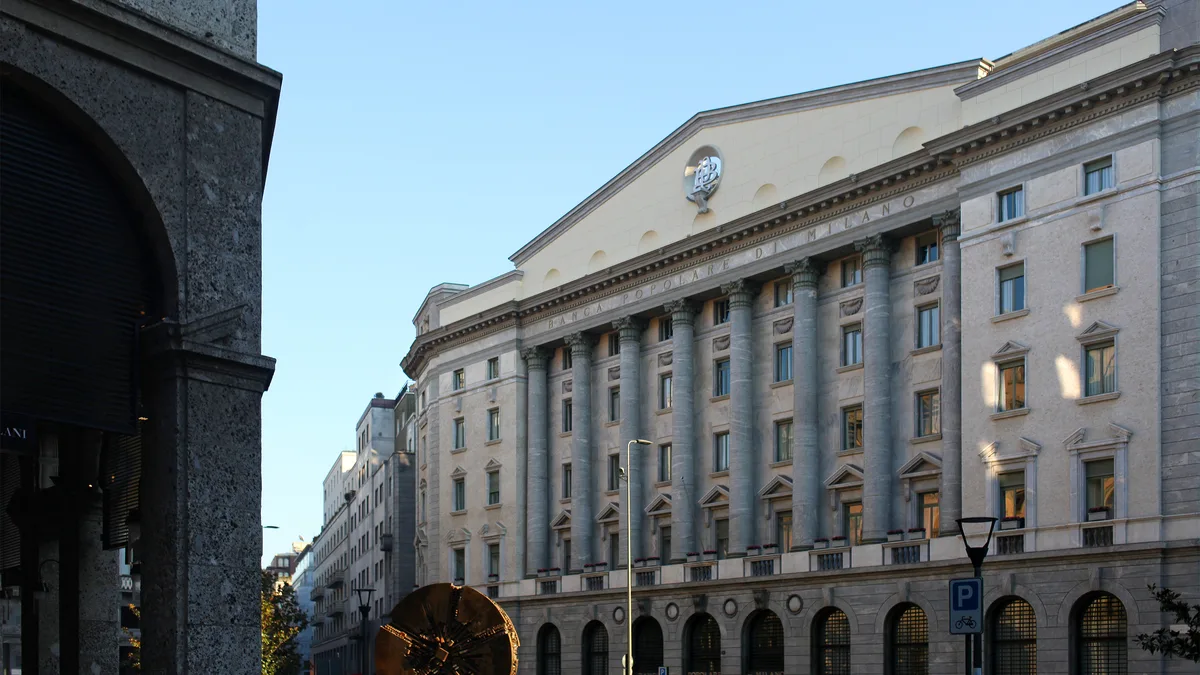
The board of Banco BPM on Thursday 12 November gave chief executive Giuseppe Castagna a mandate to start discussions with Crédit Agricole on its proposal to merge Crédit Agricole Italia into the Milan bank, according to a statement from the bank published by Teleborsa. The board said it would start the work needed to check whether the deal is feasible.
At the same time, the board said the transaction would lead to a substantial loss of contestability for Banco BPM (its Italian statement uses the term "contendibilità"), meaning it could no longer be taken over by another bidder, and that any proposal put to shareholders must use valuation criteria that adequately reflect this.
What the board decided
The board reviewed the letter Crédit Agricole sent on 8 November. Under the proposal, Crédit Agricole Italia would be merged into Banco BPM, and the French group's controlling stakes in its Italian life and non-life insurance businesses would also be contributed to the combined bank. Banco BPM said the deal could create a group of primary importance in the Italian banking landscape.
The board said it was essential that it could put a proposal to shareholders based on valuation criteria that reflect both the loss of contestability and the strengths of Banco BPM's business model, so that it can win the broadest possible support, including for the so called whitewash procedure. The bank's related party committee also met on Thursday to begin its own work on the transaction.
Why the whitewash matters
Crédit Agricole already owns 29.6% of Banco BPM and would hold around 45% of the merged bank, Reuters reported in a story published by Global Banking and Finance Review. Italy's whitewash procedure requires minority shareholders to approve the deal so that Crédit Agricole can cross the mandatory takeover threshold without launching a bid for the whole bank. That gives minority investors a real say, and it is the lever the board is now using in negotiations.
The terms on the table
Crédit Agricole made its proposal public on 9 November. It has offered an exchange ratio that reflects a 20% premium on Banco BPM's valuation, based on the expected 2027 price to earnings multiple used to value Crédit Agricole's contributions, and a EUR 1 billion extraordinary dividend to Banco BPM shareholders before the merger, Il Sole 24 Ore reported. The French bank projects annual benefits of about EUR 800 million from the combination, according to Reuters.
The combined bank would stay listed in Milan and would be Italy's third largest banking group, with Castagna at the helm. Chair Massimo Tononi and Castagna both stressed during the board meeting that minority shareholders must be valued adequately, Il Sole 24 Ore reported, and that is where the talks with Paris are expected to focus.
Banco BPM also denied reports that Crédit Agricole could sell asset manager Anima as part of the deal. The bank told Il Sole 24 Ore that it had no intention of selling Anima.
What it means for European founders and investors
Italian banking consolidation has been one of Europe's busiest deal stories of the past two years, and Banco BPM has been a target for UniCredit and Monte dei Paschi before Crédit Agricole. Thursday's statement shows how a target board can say yes to talks while pushing hard on price, using the minority vote as leverage.
For fintech founders, a larger Crédit Agricole controlled bank in northern Italy would be a major buyer of technology, from payments and lending tools to compliance and AI. Integration projects of this size usually bring large IT budgets, but also long procurement freezes while systems are merged, so timing matters for anyone selling into either bank.
For investors, the outcome will test how much control premium European banks are willing to pay when they buy through mergers rather than cash bids. For more on Italian banking, see our reports on UniCredit's record quarter and Intesa Sanpaolo's nine month results.
Spotted an error? Email contact@europreneursmedia.com and we'll correct it. See our corrections policy and editorial standards.