Starling chief executive Raman Bhatia to step down at the end of 2026
The UK digital bank has started the search for a successor. A day earlier, founder Anne Boden set out plans for Lockwood, a new bank designed for customers who use AI agents.
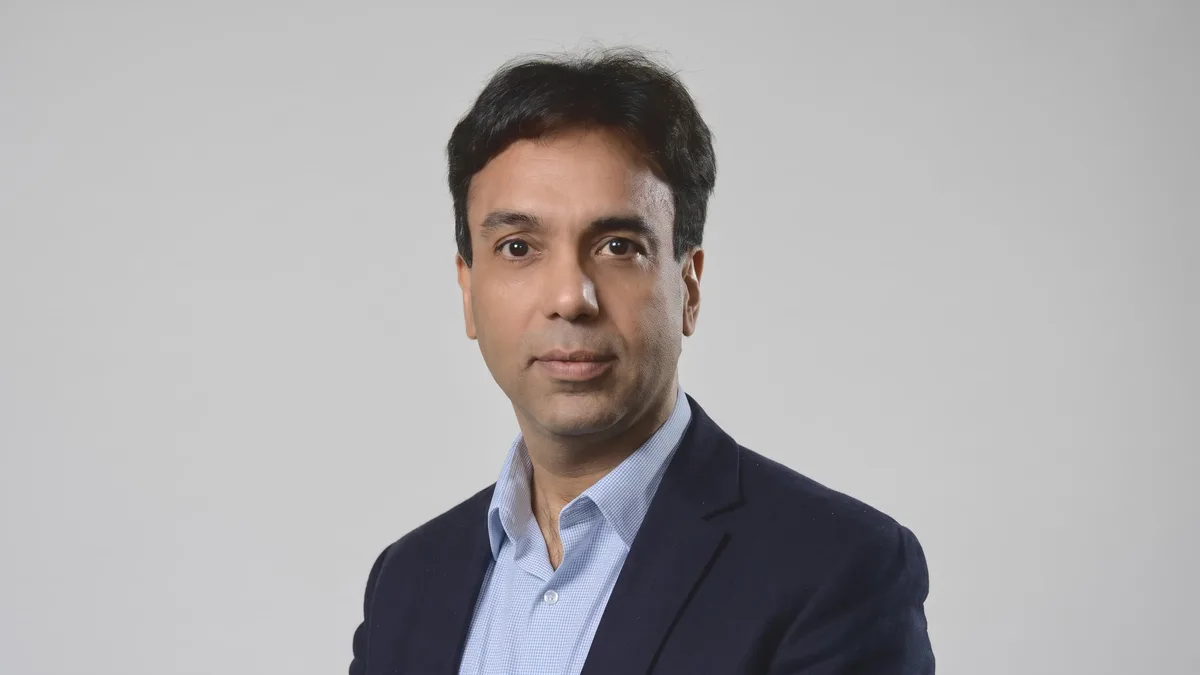
Raman Bhatia will step down as group chief executive and executive director of Starling Group Holdings and Starling Bank at the end of this year, the UK digital bank announced on Monday 16 November. He will remain an adviser to both boards until the end of June 2027 to support the transition.
Starling said the boards' succession preparations are under way and that a new group chief executive will be announced once the necessary internal and regulatory processes are complete. No successor has been named.
Two and a half years at the top
Bhatia joined Starling as chief executive in June 2024 from Bristol based energy supplier Ovo, FinTech Futures reported. He succeeded founder Anne Boden, who left the chief executive role in 2023; chief operating officer John Mountain led the bank in the interim.
In its announcement, Starling said Bhatia had led the group through a period of significant change. It pointed to investment in its risk framework, a new brand platform and the expansion of Engine by Starling, its software as a service business, which signed a ten year contract with Canada's Tangerine Bank. FinTech Futures noted that Starling also set up a non trading holding company in June 2025 and that the chair passed from David Sproul to former HSBC Europe chief executive Colin Bell.
"It's been an honour to lead Starling's team over the past two and a half years, and I'm proud of what we have achieved together," Bhatia said. He said retail and SME account openings had doubled in the third quarter compared with a year earlier, that earnings growth was strong and that the outlook for the group's full year performance was positive. Bell thanked Bhatia for "putting the Group on a strong footing to execute its strategic plans".
The numbers behind the handover
In the financial year to 31 March 2026, Starling's revenue fell to GBP 887 million from GBP 940 million, according to FinTech Futures, while Engine revenue rose 25% to GBP 11 million. The group had 6.2 million platform accounts and GBP 12.7 billion of customer deposits. The Independent reported that profit fell 3% to GBP 217 million over the same period.
Anne Boden's next bank
The announcement came a day after Starling's founder set out plans for a new venture. In an interview with The Sunday Times, Boden said her new bank, Lockwood, will be "built by agents, to serve customers that want to use agents, and then be defended by agents", Finextra reported. AI agents will be able to use customer accounts to pay bills, manage subscriptions and make purchases within limits set by the user.
According to Finextra, Lockwood will offer a current account but no lending or savings products, and will earn money from interest on deposits. It is targeting an electronic money licence in 2027 before applying for a full banking licence, with a launch planned for 2028 and a goal of one million customers within a year. Boden is funding the venture herself, after selling her stake of nearly 5% in Starling last month for around GBP 170 million, according to the Sunday Times report.
What it means for fintech founders and investors
Starling is one of the UK's most established digital banks, and the choice of its next chief executive will shape how hard it pushes Engine abroad and how it balances growth with returns after a year of lower revenue. Starling has said the appointment will follow the necessary internal and regulatory processes.
Boden's plan points to a different question for the sector: whether banks built for AI agents will need new products, controls and licences. For founders building agentic payments and banking infrastructure, both stories show where incumbents and new entrants are looking next. For related coverage, see our reports on Griffin's Series B and Metro Bank's formal sale process.
Spotted an error? Email contact@europreneursmedia.com and we'll correct it. See our corrections policy and editorial standards.