Pharming pauses Ruconest production and warns of likely US supply constraints
The hereditary angioedema drug accounted for about 80% of the Leiden company's revenue in the third quarter. Production will not restart until the root cause is found and the process is requalified.
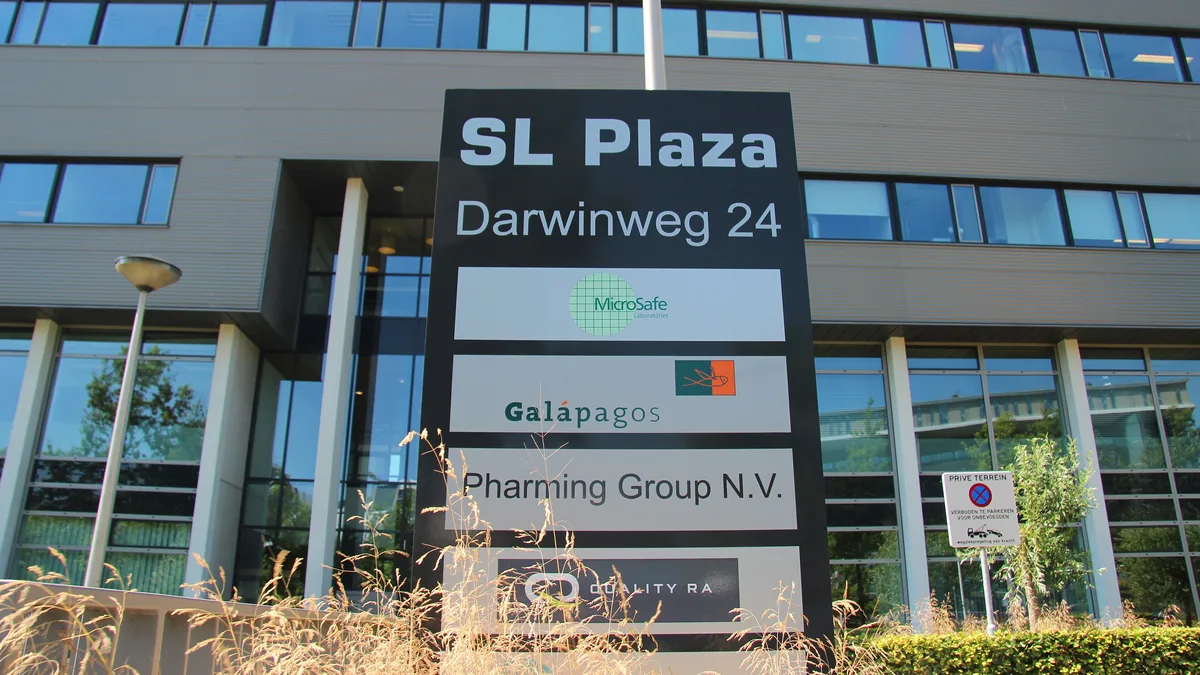
Pharming Group said on Wednesday 25 November that it has temporarily paused manufacturing of Ruconest, its treatment for acute attacks of hereditary angioedema (HAE), after a routine simulation of the aseptic manufacturing process failed at its third-party fill-finish manufacturer. The company said in its announcement that the pause is likely to lead to supply constraints in the United States, and that it has notified the US Food and Drug Administration.
Product already held by specialty pharmacies or patients is not affected and can be used as directed, Pharming said. Its shares fell about 20% in early Amsterdam trading, Reuters reported.
What happened
A media fill is a validation test that mimics sterile production using a microbiological growth medium instead of the medicine, to check whether procedures and equipment prevent contamination, BioSpace explained. Pharming said an investigation is ongoing, that the timeline and impact are still to be confirmed, and that production will restart only after the root cause has been identified and resolved and the process has been successfully requalified. It said current supply is available through mid-December and that its other medicines are not affected.
Interim co-CEO and chief commercial officer Leverne Marsh said in the statement that patients count on Ruconest for acute HAE treatment and that the company takes that responsibility seriously. Pharming said it is working with patients, doctors, the US Hereditary Angioedema Association and specialty pharmacies to help maintain access to treatment, and encouraged patients to review their HAE action plans with their doctors.
Management's range of scenarios
In an interview with Dutch investor publication De Aandeelhouder, interim co-CEO Kenneth Lynard said there is no timeline yet because the root cause analysis is still running, and that additional outside expertise has been brought in. He said the problem was found in one of 30,000 vials inspected. The mid-December figure refers only to Pharming's own inventory; stock already sold to US specialty pharmacies covers another four to six weeks, and the company estimates supply at patient level lasts until about the end of January.
Lynard described an unlikely best case in which the cause is found quickly, already produced batches can be released and a shortage may be avoided, and an unlikely worst case in which product would not be back in stock until around late July or early August. Analysts expect something in between, a gap of probably three or perhaps four months, he said, adding that the company has not confirmed any estimate.
Why it matters for Pharming
Ruconest sales rose 14% to USD 93.8 million in the third quarter and made up about 80% of revenue, with almost all of it from the US, BioSpace reported. Reuters said analysts warned that a long disruption could lead some patients to switch permanently to other drugs. Competition has grown: oral treatment Ekterly, now owned by Chiesi through its purchase of KalVista, and newer preventive therapies have reached the market. Lynard told De Aandeelhouder that there is no insurance cover for lost revenue in a case like this.
What it means for European founders and investors
Pharming's situation shows how concentrated risk can be in a single-product biotech that relies on an outside manufacturer. A failed quality test at one fill-finish site can affect most of a company's revenue within weeks, even when the cause may turn out to be minor.
For founders, the lessons are practical: qualify second sources early, model supply disruption scenarios before investors ask, and communicate clearly with patients and regulators. Lynard said the contract manufacturer is building a second production line, which is not yet ready for commercial use. For investors, manufacturing redundancy deserves the same scrutiny as clinical data. Recent biotech deals include Sanofi's agreed purchase of Insmed. More company news is in our leaders section.
Spotted an error? Email contact@europreneursmedia.com and we'll correct it. See our corrections policy and editorial standards.