Poundland enters administration, putting more than 10,000 jobs at risk
Shops and distribution centres stay open for now, but the administrators say a sales process found no solvent solution for the whole group, and the chain is expected to be broken up.
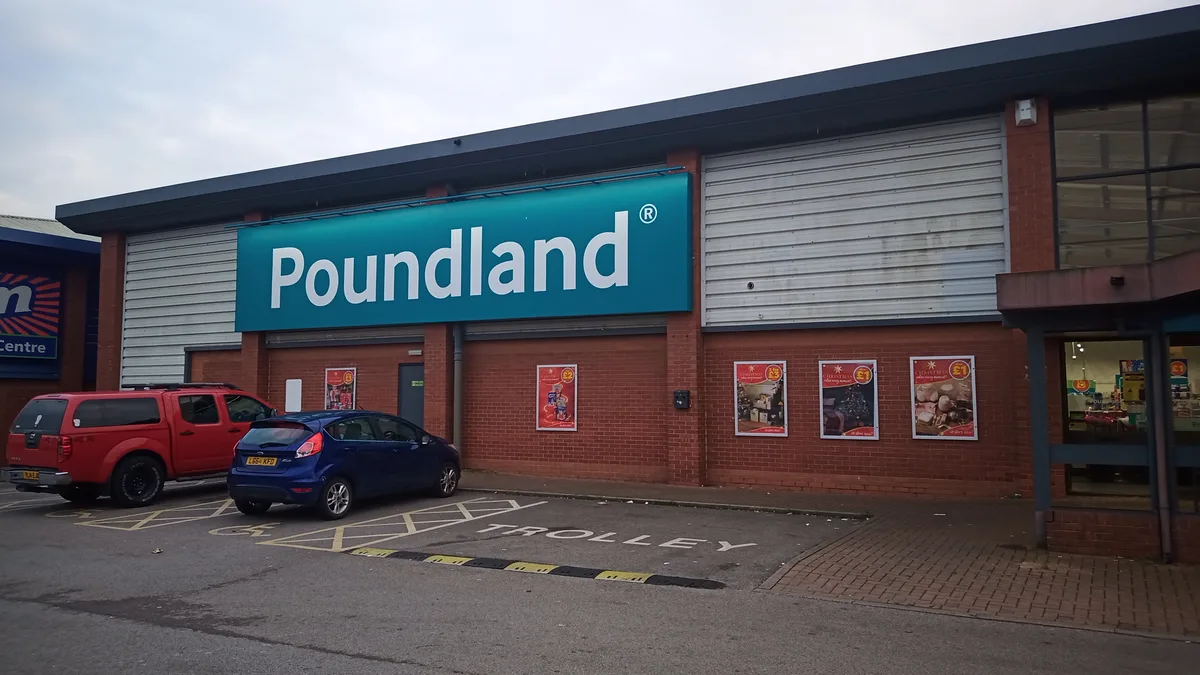
Poundland Limited entered administration on Wednesday 25 November, with Clare Kennedy, Daniel Imison and Kevin Wall of AlixPartners UK LLP appointed as joint administrators, the retailer said in a statement on its website. The company, including its Dealz stores in the Republic of Ireland, will continue to trade in the near term.
Poundland has about 600 stores in the UK and Ireland. AlixPartners said it employs more than 10,000 people, according to the Guardian, while the BBC put the number of jobs at risk at 11,000.
How it came to this
AlixPartners said a sales process "did not identify a viable solvent solution for the business as a whole", and that it will pursue all options, including sales of the business and its assets in whole or in part. Poundland's board had filed a notice of intention to appoint administrators in October, which protected the company from creditors until 26 November while a buyer was sought, the Guardian reported.
US investment firm Gordon Brothers bought Poundland for a nominal GBP 1 from the European discount group Pepco in 2025. In a note to staff reported by the BBC, managing director Barry Williams said the board had "no alternative" and that Gordon Brothers had removed "all borrowing facilities and access to our bank accounts" on 27 October, with adequate funds not released since then.
Gordon Brothers said it had "explored every avenue to secure a sale of the whole company", but that Poundland remained vulnerable to inflation and any downturn in sales and margins. It said it had stepped in to support a restructuring plan in July 2025 "when no one else was willing to finance the business", and told the BBC it had lent the company GBP 85 million over a year.
The rejected bids
A central sticking point was a shareholder loan of about GBP 30 million, of which Gordon Brothers was owed GBP 22.5 million and Pepco GBP 7.5 million, according to the BBC. Bidders included Northern Ireland's Martin Property Group, which offered to repay GBP 5 million of the loan up front and defer the rest to 2030, London-based Xyra, and Germany's Zachert Private Equity, which made a late offer. All were rejected. The Guardian reported that Gordon Brothers believed it could raise more from selling stock and groups of stores than through the solvent bids.
Political and union reaction
Prime Minister Andy Burnham said Poundland was part of the fabric of high streets and that the government would try to secure a deal that protects jobs and keeps as many shops open as possible. Usdaw national officer Bally Auluk called it devastating news for members just before Christmas.
Liam Byrne, the Labour chair of the Commons business select committee, said the committee would recall Gordon Brothers to give evidence. Gordon Brothers has been criticised over its handling of the sale, including accusations that it hoped to profit from selling off the chain piecemeal; the firm has denied such claims, the BBC reported. The Guardian said documents provided to MPs showed the firm had taken close to GBP 20 million in interest and fees since buying the chain.
Why it matters
Poundland was founded with one store in Burton upon Trent in 1990 and became the UK's first and biggest nationwide single-price retailer. It has struggled with high inflation and competition from discounters such as B&M and Home Bargains, as well as supermarkets. About 2,000 suppliers stand to lose significant business, the Guardian reported, and rivals including Poundstretcher, B&M and The Range are expected to take parcels of stores.
What it means for European founders and investors
For suppliers and service providers to large retailers, the case shows how fast trade credit risk can turn during a restructuring, especially when an owner limits access to funds ahead of peak season. Credit insurance, payment terms and concentration on a single customer deserve attention.
For investors, it highlights the gap between turnaround progress at store level and the capital structure above it. The outcome of the administration, and how much of the store estate finds new owners, will be closely watched across European discount retail. More company news is in our leaders section.
Spotted an error? Email contact@europreneursmedia.com and we'll correct it. See our corrections policy and editorial standards.