Mistral AI takes on France's AI copyright bill ahead of Assembly debate
A Senate-approved bill would let rights holders rely on a presumption that an AI provider used their work. Mistral's chief executive says it puts investment at risk; the senator behind it and creators' groups disagree.
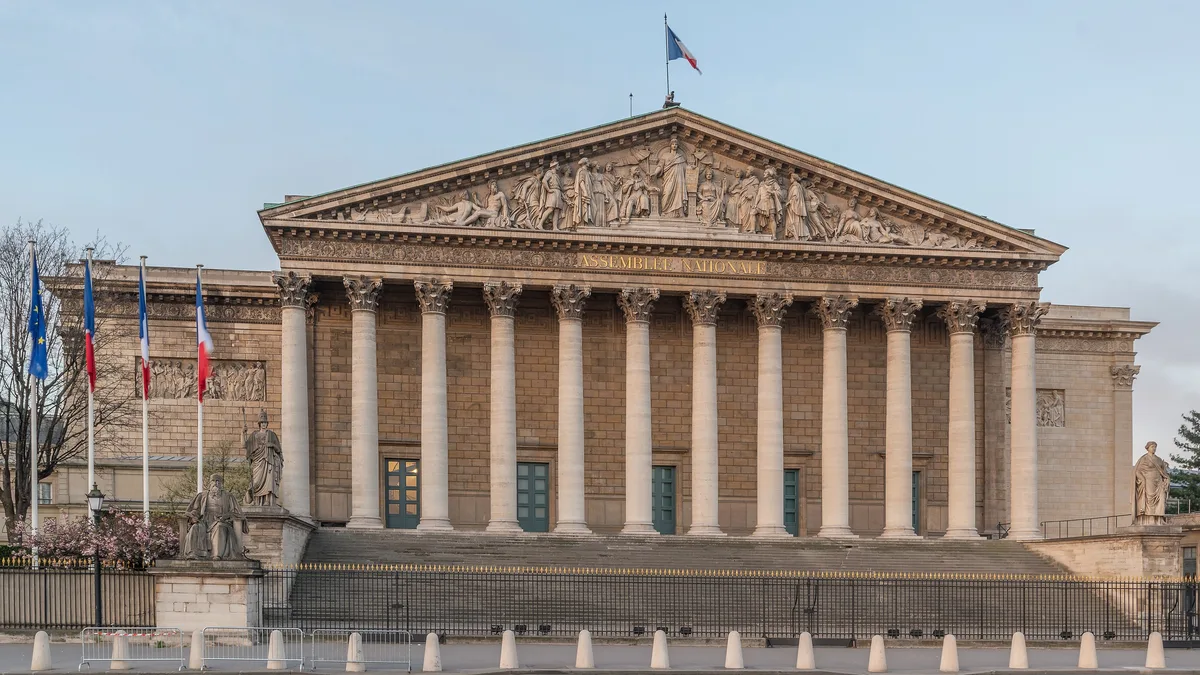
Mistral AI chief executive Arthur Mensch has called on French lawmakers to reject a bill on AI and copyright that the National Assembly is due to debate on 19 November, warning that it could influence where the Paris company builds data centres and does its research, The Tech Capital reports. His intervention has drawn a sharp reply from senator Laure Darcos, who drafted the text, and criticism from creators, Sifted and La Dépêche du Midi report.
What the bill says
The text is a single-article bill that the French Senate adopted at first reading on 8 April 2026. It would add a new provision to France's intellectual property code. In civil disputes, a work protected by copyright or related rights would be presumed to have been used by the provider of an AI model or system whenever there is an indication, linked to the development or deployment of the system or to its output, that makes such use plausible. The provider can rebut the presumption with evidence to the contrary.
The Senate version would also apply to cases already before the courts when the law enters into force, except for decisions that are final. La Dépêche notes that the bill was adopted unanimously in the Senate and that it does not create a tax or an automatic payment to rights holders. The Tech Capital reports that the National Assembly's cultural affairs committee approved the text on 2 June, and that France's Conseil d'État said in a March opinion that the mechanism presumes use, not infringement.
Mistral's objections
In a LinkedIn post at the weekend, Mensch wrote that the goal of the bill is legitimate and that creators must be respected and paid, La Dépêche reports. His objection is that a presumption triggered by a single indication reverses the burden of proof. Proving that a given work was not used in a training dataset with billions of words would, he argued, require AI companies to reveal trade secrets, and the bill would lead to endless litigation between rights holders and AI developers.
Mensch linked the issue to Mistral's infrastructure plans. The company has said it is targeting 1 gigawatt of computing capacity by 2030 and intends to build it mainly in Europe and largely in France. According to The Tech Capital, he wrote that the legal risk would weigh on choices such as whether to build and use a data centre in the Essonne department south of Paris or elsewhere, and where to carry out research. He did not name any project that would be cancelled or moved. As an alternative, Mensch proposed a contribution based on the revenue of all AI providers operating commercially in Europe, including foreign ones, to fund European creative work, an approach he said Mistral is advocating in Brussels.
The other side
Senator Laure Darcos (Horizons) replied publicly that she did not understand Mensch's campaign against her bill, La Dépêche reports. She argued that data centres are not targeted by the presumption, that the cultural sector is ready to negotiate licences with Mistral, and that business secrecy cannot excuse a breach of property rights. Judges, she said, would be able to protect confidentiality during proceedings.
The alliance of French general news publishers (Apig) supports the mechanism, arguing that without access to training data publishers cannot show that their articles were used, according to La Dépêche. Reporters Without Borders has stressed the risk for media, whose content feeds tools that can compete with them. On the other side, AFNUM, which represents digital industries, warns of a wave of lawsuits and high costs for AI start-ups. Sifted reports that writers, journalists, musicians and artists have criticised Mistral's position.
Why it matters beyond France
Mistral is Europe's best-known AI model maker and a symbol of French efforts to build a domestic AI industry, so its stance carries political weight. The debate also sits on top of EU rules. The EU AI Act already requires providers of general-purpose AI models to publish a summary of their training content and to respect copyright opt-outs. A national presumption in France would add a further layer for companies operating there.
We have covered Mistral's recent product moves, including the release of the Large 4 open weights. The copyright fight shows that regulation, not only compute and talent, is shaping where AI companies choose to invest.
What it means for European founders and investors
For AI founders, the key point is legal exposure. If the bill passes in its Senate form, any company that trains or deploys models in France could face civil claims where it has to show that a specific work was not used. That raises the importance of documenting training data and licensing content early. For media and creative start-ups, the bill could strengthen their hand in licensing negotiations with AI developers.
For investors, the debate adds a regulatory variable to AI infrastructure decisions. Mensch has framed it as a question of where capacity gets built, while supporters say clear rules will encourage licensing deals instead of court cases. The National Assembly vote on 19 November, and whether the text is amended, will be the next signal. Any law would still need to fit within EU copyright rules.
Spotted an error? Email contact@europreneursmedia.com and we'll correct it. See our corrections policy and editorial standards.