UniCredit and Berlin agree terms for Commerzbank takeover
Finance minister Lars Klingbeil says Berlin now supports a swift process and an orderly transfer of control, while giving up its demand to name two Commerzbank supervisory board members.
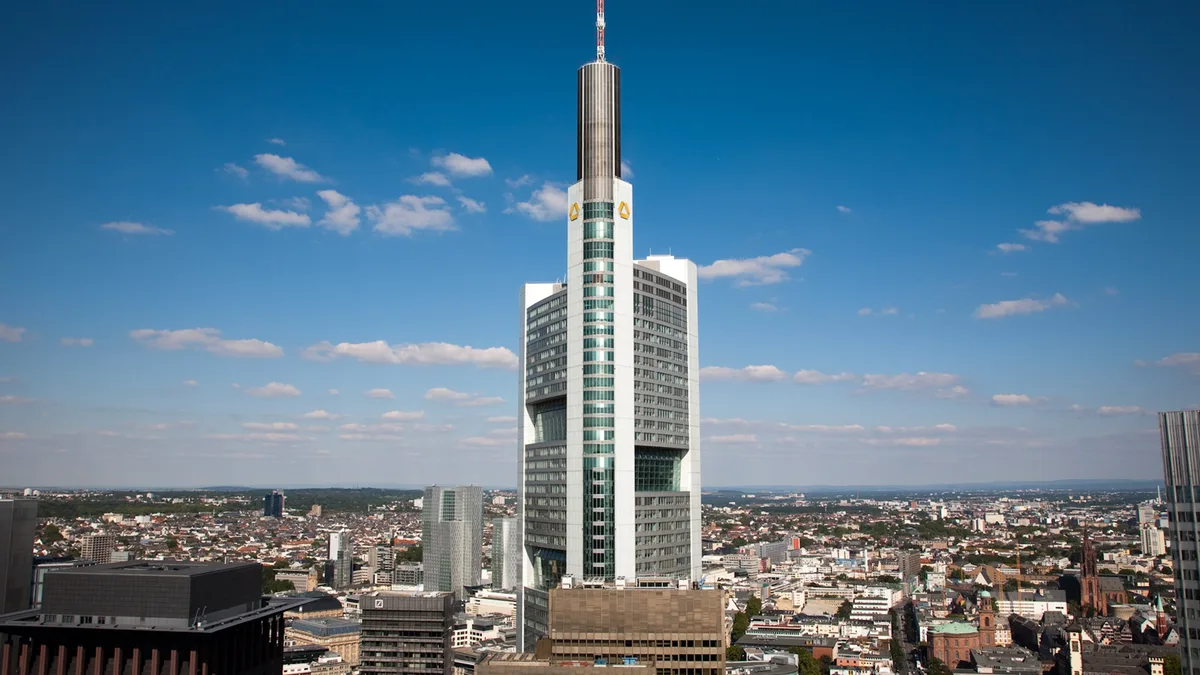
UniCredit and the German government have settled the main points of dispute over the Italian bank's takeover of Commerzbank. German finance minister Lars Klingbeil told Reuters that both sides had "reached common ground" and that Berlin "supports a swift process and an orderly transition of control".
The terms are set out in a letter dated 18 November from UniCredit chief executive Andrea Orcel to Klingbeil, which Reuters has seen. Commerzbank will stay a listed company headquartered in Frankfurt, while the federal government gives up its demand to nominate two members of the Commerzbank supervisory board.
What the two sides agreed
According to Reuters, Orcel wrote that he was "prepared to commit" to a series of binding principles and thanked Klingbeil for discussions "which have allowed us to find common ground". The central German demand, that the combined business in Germany keeps its headquarters in Frankfurt as a listed entity, is part of the agreement.
In return, Berlin has dropped its insistence on naming two supervisory board members at Commerzbank. Instead, UniCredit will propose two independent candidates "who know both the German market and Commerzbank very well" as part of an orderly transition, Klingbeil said, as quoted by Tagesspiegel. Orcel wrote that he had discussed two such candidates with the government.
"We have reached common ground and UniCredit has made clear commitments to Germany as a business location, to the rights of Commerzbank employees and to a continued constructive dialogue with the works council in the further process," Klingbeil said in his statement to Reuters.
Eight commitments in Orcel's letter
Tagesspiegel reports that the letter contains eight commitments on the future of Commerzbank. After a merger with UniCredit's Munich based German subsidiary HypoVereinsbank (HVB), which Orcel is aiming for in 2028, Frankfurt is to be the seat of the combined institution, while UniCredit intends to keep a significant presence in Munich. Commerzbank and HVB are to be appropriately represented by German members on UniCredit's board of directors, and UniCredit also pledged to put German nationals on that board, Reuters reported.
The letter also includes a commitment to Commerzbank's Mittelstand customers and to the international capabilities that serve mid sized companies and exporters, according to Tagesspiegel. The paper notes that it is not yet clear what this means in practice, as Orcel has previously described Commerzbank's international network as unnecessarily large. Handelsblatt reports that, under the agreement, Commerzbank is to remain a listed stock corporation based in Frankfurt and expand its Mittelstand business.
The open question: Berlin's 13.3% stake
The German government holds 13.3% of Commerzbank, a legacy of its rescue during the global financial crisis, and is the bank's second largest shareholder. Orcel's letter says the commitments "set the basis for the disposal of the government's stake", and Tagesspiegel reports that UniCredit would support such a sale. Klingbeil's statement, however, contains no commitment to sell, and he did not say whether or when the government plans to do so.
UniCredit holds about 49% of Commerzbank after its takeover offer, according to Tagesspiegel. Orcel has said he plans to hold a new election of all ten shareholder representatives on the Commerzbank supervisory board at an extraordinary general meeting in early 2027, which would also allow changes to the management board led by chief executive Bettina Orlopp, Tagesspiegel noted.
How the deal got here
Orcel surprised Commerzbank and the German government in 2024 by quietly building a large holding in the bank. Both tried to block a takeover, but gave in after UniCredit's stake approached 50%, Reuters said. The news agency describes the approach as a hostile EUR 45 billion bid. Klingbeil and Orcel met in September, when the minister set out Germany's conditions, and both called the talks constructive, although differences remained.
Since then the European Central Bank, the European Commission and the US Federal Reserve have cleared the deal. As we reported on Tuesday, Brussels approved it without conditions after finding no competition concerns in German banking, including lending to the Mittelstand. Earlier this month, with its third quarter results, Commerzbank said it was "convinced" a combination could create value, a clear shift from its long resistance.
Why it matters for European business
A combined UniCredit and Commerzbank would hold more than EUR 1.3 trillion in assets across two of the euro area's largest economies, according to Reuters, in one of the most significant cross border European banking deals in years. With the last major political obstacle removed, the timetable UniCredit set out with its record third quarter, including new governance at Commerzbank by the first quarter of 2027, now looks more realistic.
The agreement also matters beyond Germany. European policymakers have long argued that national fragmentation keeps the continent's banks smaller than their US rivals, yet governments have often resisted foreign takeovers of domestic lenders. Berlin's decision to accept the deal in exchange for commitments on location, jobs and governance offers a template other capitals may look at, including in Italy, where Banco BPM and Crédit Agricole are discussing a combination.
For founders and Mittelstand companies that bank with Commerzbank or HVB, day to day relationships are unlikely to change immediately. The more important questions are medium term: how much of Commerzbank's international network survives, how corporate lending appetite develops under UniCredit's cost discipline, and how the planned HVB merger is carried out. The pledge on Mittelstand and export finance will be the commitment to watch, as it is also the least specific.
For investors, the open point is the government's 13.3% stake. A sale would remove the last large independent shareholder alongside UniCredit and could reshape trading in Commerzbank shares, but Berlin has so far made no commitment on timing.
Spotted an error? Email contact@europreneursmedia.com and we'll correct it. See our corrections policy and editorial standards.