GLS and DPD to combine their German parcel businesses
The new company would be the clearest challenger yet to market leader DHL in Europe's largest parcel market. GLS Group is to hold 80% and Geopost 20%, and the DPD brand is set to disappear in Germany.
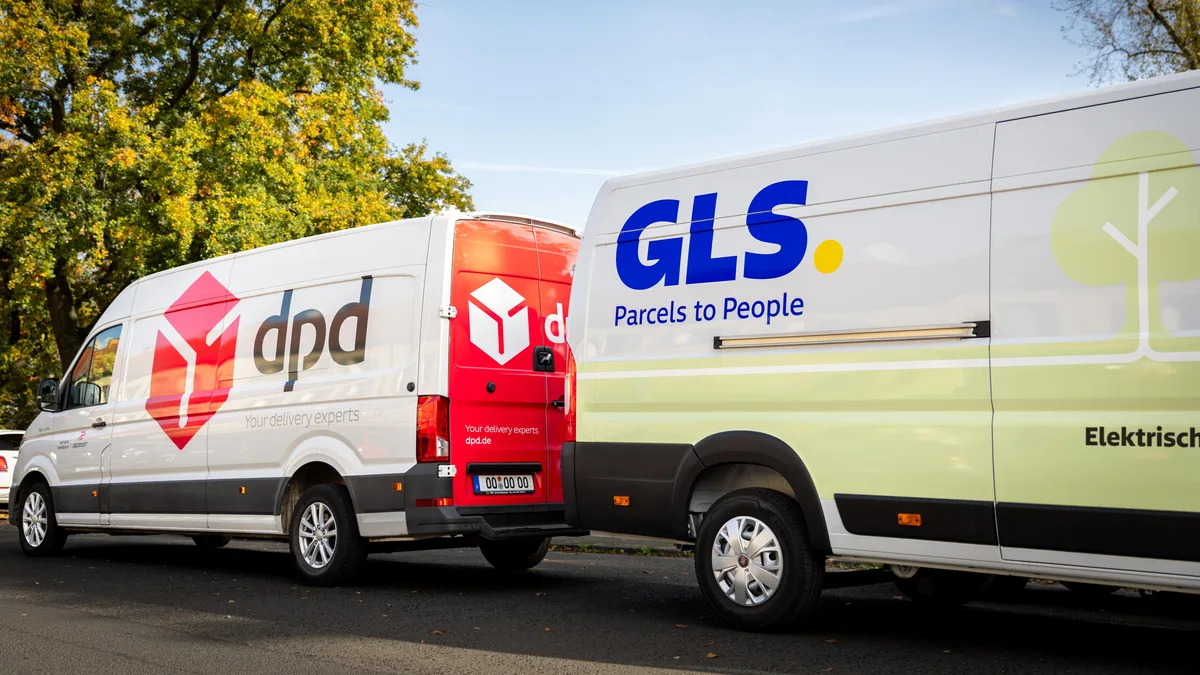
GLS Group and Geopost, the parcel arm of France's La Poste that trades as DPD, plan to combine their German parcel businesses in a joint venture, the two companies announced on 18 November. The new company would have annual revenue of more than EUR 4 billion and deliver more than 700 million parcels a year.
It would operate under the GLS brand with GLS Group as majority owner. GLS Group is to hold 80% and Geopost 20%, according to the joint statement as reported by the news agency dpa. The deal still needs approval from the competition authorities, and employee representatives must first be informed.
What the two companies plan
The joint venture will take over the German parcel assets of both groups. After closing it plans to invest more than EUR 500 million over the next few years, the companies said, in innovation, digital capabilities, network performance and sustainability. Handelsblatt, which first reported the plan, said the money is to go mainly into IT and the automation of parcel lockers.
The combined company will have about 150 sites and around 15,000 employees, dpa reported. GLS Germany is based in Neuenstein in Hesse and DPD Germany in Aschaffenburg in Bavaria. Geopost chief executive Yves Delmas told Handelsblatt that all delivery vans will carry the GLS colours after the merger, so the DPD name, which once stood for Deutscher Paketdienst, is set to disappear from German streets.
Until closing, DPD Germany and GLS Germany remain fully independent, with no changes to management, customer contacts, contracts or service arrangements, the companies said. Both parents will be represented in the governance of the new company. Law firm Linklaters said it is advising GLS Group and that completion depends on customary conditions including merger control clearance.
Built on an existing partnership
The deal grows out of a cooperation that began in October 2024, when GLS and DPD started building a shared network of parcel shops and lockers in Germany. In March 2026 they launched inboxx, a parcel locker network that customers of both carriers can use. The combined shop and locker network is expected to reach about 25,000 locations by the end of 2030. The two groups already run joint out of home delivery operations in the Czech Republic and Hungary.
"Forming this joint venture marks a significant milestone in the German parcel market," said Karl Pfaff, chief executive of GLS Group. Delmas said the partnership reflects a conviction that parcel delivery will be shaped by players "with the scale and capabilities to invest sustainably". Pfaff told Handelsblatt, as quoted by Die Zeit, that he expects distances between delivery stops to shrink by 20 to 30% in the denser combined network.
Who owns the two carriers
GLS Group is part of International Distribution Services (IDS), the group that also owns Royal Mail. Through a holding company, both are controlled by the Czech investor Daniel Křetínský, dpa noted. GLS Group reported record revenue of EUR 6 billion and 977 million parcels in its 2025/26 financial year and operates in more than 40 countries in Europe plus Canada and the US.
Geopost belongs to La Poste Group and runs delivery brands including DPD, Chronopost, SEUR, BRT and Speedy. It generated EUR 15.8 billion in revenue and delivered 2.2 billion parcels worldwide in 2025, according to the announcement. Geopost previously owned the last mile platform Stuart, which it sold to Mutares in 2023, as we reported when Mutares received an offer for Stuart.
The gap to DHL
Even combined, the new company would remain far smaller than DHL in Germany. DHL delivered about 2 billion parcels in Germany last year with revenue of EUR 8.2 billion, according to dpa, and CEP Research put DHL Parcel Germany's 2025 revenue at EUR 8.15 billion. Handelsblatt estimates that the combination will have a market share of around 20%, about half that of the market leader.
Data from the Federal Network Agency for 2024, cited by dpa, show DHL with more than 40% of parcel volumes in Germany and Amazon's own delivery network at 15 to 25%. Hermes, DPD, GLS and UPS each held between 4 and 15%. The merger therefore reduces the number of independent carriers in the middle of the market, and the competition authorities will now have to assess its effect on that market.
What it means for founders and investors
For e-commerce founders, the merger means fewer carriers to negotiate with in Germany but a larger second network with more pickup points. Shops that use both DPD and GLS today to spread risk or win better rates will need to rethink that strategy once the deal closes. The pledge of more than EUR 500 million for IT and locker automation also points to demand for software, sorting and out of home delivery technology, an area where startups such as PORT and freight platforms such as sennder are already active.
For investors, the deal fits a wider pattern of consolidation in European parcel and postal markets, where volume growth from online retail has not been enough to offset high fixed costs for vans, hubs and staff. Combining two networks in the same country allows denser routes and lower cost per parcel, which is the main lever in a business with thin margins. It also gives Křetínský's group, which already owns Royal Mail in the UK, a much larger position in Germany.
The key open questions are the review by the competition authorities, the reaction of employee representatives, and how quickly customers move once the DPD brand is phased out. The companies have not given a timetable for closing or disclosed financial terms beyond the ownership split.
Spotted an error? Email contact@europreneursmedia.com and we'll correct it. See our corrections policy and editorial standards.