BASF ends its pursuit of Evonik after two rejected offers
Germany's largest chemicals group said Evonik's board had not engaged meaningfully and that a higher price could not be justified. The decision ends a two month standoff over a combination of Germany's two largest chemicals groups.
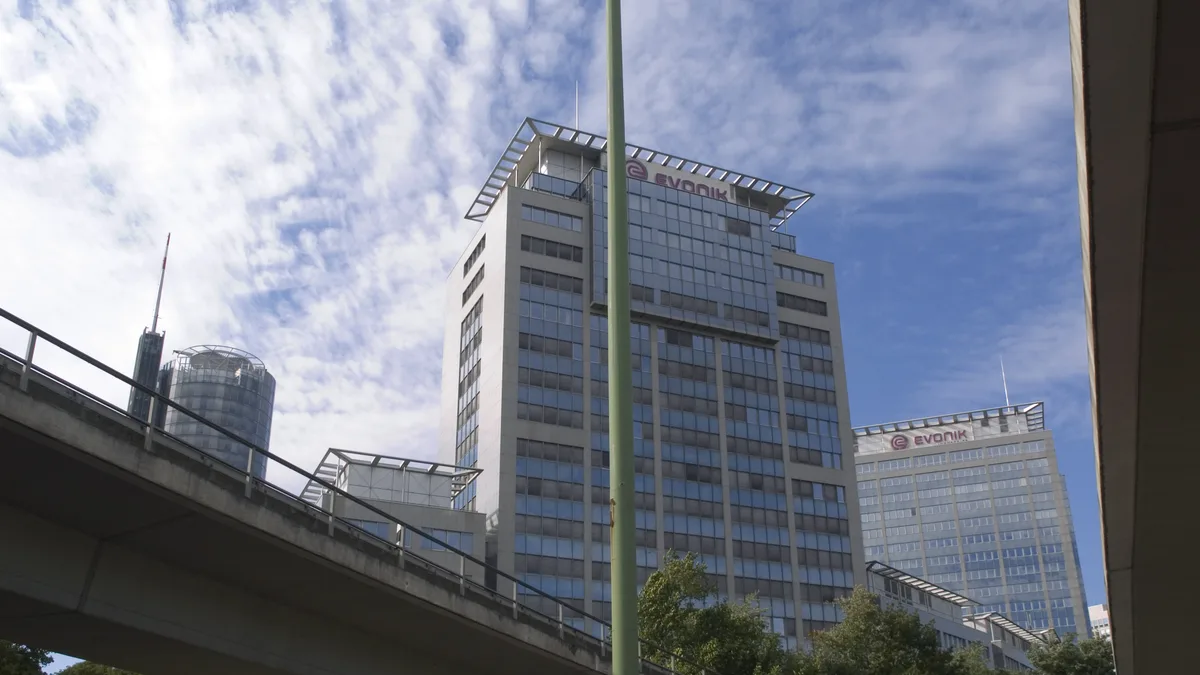
BASF will no longer try to acquire Evonik Industries, the Ludwigshafen based group announced on Thursday afternoon, 19 November. The decision follows Evonik's rejection of two non-binding all-cash offers. BASF said it had signalled that it was prepared to consider a further moderate increase, but that the Executive Board of Evonik "has not shown meaningful engagement until today".
BASF also said its own assessment of Evonik's standalone prospects and risks did not justify a higher valuation, so pursuing a deal at a higher price was not in the interest of its shareholders. Its last offer was EUR 24 per share, which valued Evonik at about EUR 11.2 billion, Reuters reported.
What BASF said
The statement is short and firm. BASF chief executive Markus Kamieth said the company was convinced that its "derisked all-cash offer of 24 euros per share would have represented significant additional value for Evonik shareholders". He added that BASF still believes a combination would create a more powerful chemical company under its ownership, with benefits for shareholders, employees and customers.
BASF framed the retreat as discipline rather than defeat. Under its Winning Ways strategy, acquisitions have always been a "could do" and not a "must do", the company said, and ending the effort underlines its commitment to disciplined capital allocation and attractive shareholder distributions. BASF has around 95,000 employees and generated sales of around EUR 60 billion in 2025, according to the release.
How Evonik and the market reacted
Evonik interim chief executive Claus Rettig said the company could now focus all its energy on independent development. "This removes a source of uncertainty for our employees," he said in an emailed statement quoted by Reuters.
Investors had priced in at least some chance of a deal. Evonik shares fell at times by more than 23% to EUR 16.75, tagesschau reported, and were down 16% at EUR 18 at 17:12 CET, according to Reuters. Handelsblatt noted that EUR 18 is roughly where the stock traded before BASF's interest became public. BASF shares moved only modestly.
Two offers, two rejections
BASF first approached Evonik in September. Evonik turned down an initial proposal, and BASF later raised its offer to EUR 24 per share, Reuters reported. On 30 October Evonik's board said it would not enter negotiations and offered only a confidential, purely informational exchange, as we reported at the time. BASF had promised to take over Evonik's site agreements, under which compulsory redundancies are ruled out until 2032.
Reuters reported on Tuesday, citing people familiar with the matter, that BASF was preparing further concessions. It had written to the government of North Rhine-Westphalia and to Evonik's largest shareholder, the RAG Foundation, with possible commitments on plants, jobs and training. But two people close to Evonik told the agency on Wednesday that Essen still saw no compelling industrial rationale, and that even another improved offer would not secure support.
Politics and the anchor shareholder
Political resistance was strong. North Rhine-Westphalia's premier Hendrik Wüst reaffirmed his opposition on Wednesday, according to tagesschau, pointing to around 11,000 Evonik employees in the state and saying the company was "keine Pommesbude", roughly "not a chip stand". Handelsblatt reported that Wüst plays an important role on the board of trustees of the RAG Foundation, which holds 44% of Evonik. Handelsblatt also suggested that this resistance is likely to have been one reason for BASF's retreat.
What it means for founders and investors
The episode is a clear lesson in how European takeovers work when an anchor shareholder and regional politics are involved. A foundation with a public mandate and a stake of 44% can block a deal even at a premium, and a bidder that relies on a friendly process has few options if the target's board refuses to engage. Investors in German industrial companies with foundation, family or state anchors should factor that into any takeover premium they price in, as Evonik's share price fall shows.
For founders in materials, specialty chemicals and industrial deep tech, the end of the standoff is mostly good news in the short term. Both groups can return to running their businesses, and partnership, pilot and corporate venture decisions that may have been on hold during a contested approach can move again. Evonik now has to show that its standalone plan works, while BASF keeps the capital it would have spent on the deal.
The bigger question does not go away. Kamieth has argued that consolidation in German chemicals would help protect jobs and warned that foreign bidders could make more disruptive approaches, Reuters reported. High energy costs and competition from Asia and the Middle East still weigh on the sector. For now, a merger of Germany's number one and number two chemicals groups will not happen, and any future consolidation will have to win over boards and anchor shareholders, not only offer a higher price. For more on European deal flow, see our Europe section.
Spotted an error? Email contact@europreneursmedia.com and we'll correct it. See our corrections policy and editorial standards.