SRTD Biotech raises EUR 31.5m seed for mRNA that only switches on in diseased cells
The German startup develops selectively expressed RNA that is designed to activate only inside target cells. Lilly Ventures and HTGF joined the round, and the company has appointed Matthias Alder as CEO.
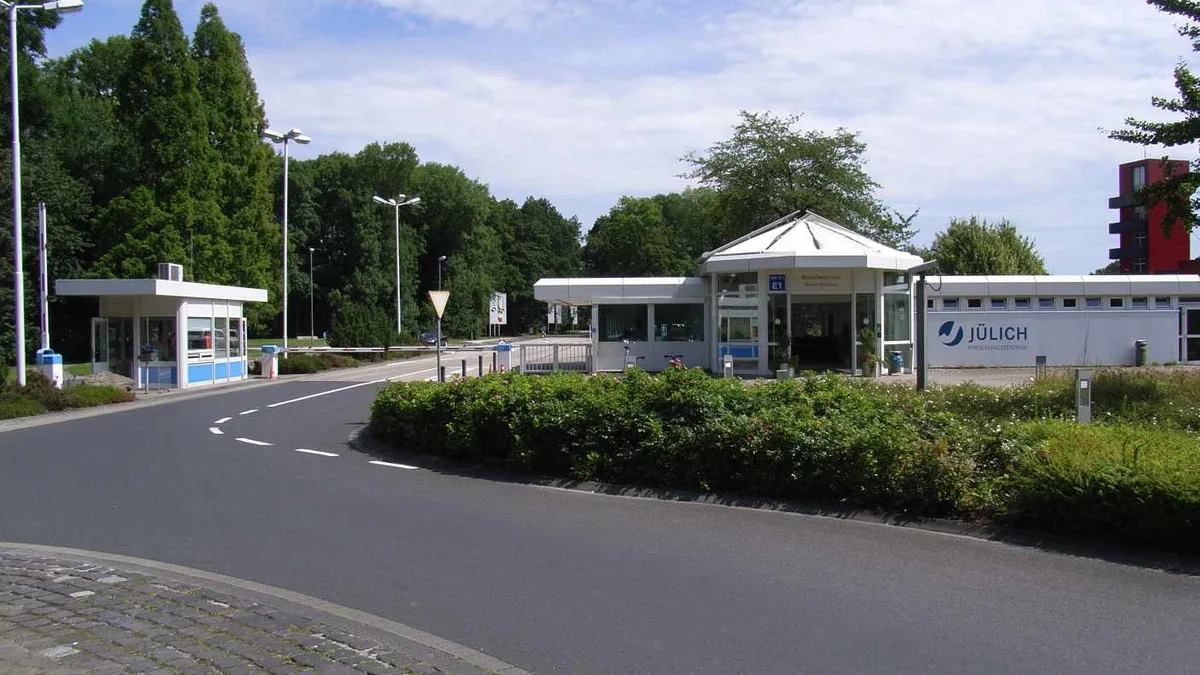
SRTD Biotech, a biotechnology company based in Jülich, Germany, has closed an oversubscribed EUR 31.5 million seed financing round, the company announced on 9 November 2026. The round was led by Mérieux Equity Partners through its Mérieux Innovation 2 fund, with NRW.BANK and the Boehringer Ingelheim Venture Fund as co-leads.
Lilly Ventures, the High-Tech Gründerfonds (HTGF) and the Freiburg-based family office Anobis Asset also took part. NRW.BANK said it is investing EUR 7 million through its NRW.Venture EU Tech&Scale fund. Handelsblatt also covered the round.
What SRTD is building
Many therapies do not act only where a disease is. SRTD's approach, called selectively expressed RNA (seRNA), is designed to address that. The mRNA constructs use intracellular RNA disease markers as a trigger, so the therapeutic protein is meant to be produced only inside target cells while exposure in healthy tissue is minimised, the company says. NRW.BANK describes the molecule as entering cells in an inactive form, activating only when it recognises features of a diseased cell, and being broken down in healthy cells.
SRTD combines three platforms: its proprietary seRNA technology, a fusogenic lipid nanoparticle (LNP) delivery platform intended to reach the liver, lung, brain and other organs, and a synthetic biology platform with bioinformatics and AI-driven RNA design. The company says it wants to avoid both non-selective mRNA expression and the limits of targeting proteins on the cell surface.
What the money is for
The capital will fund preclinical development of SRTD's pipeline in oncology, autoimmune disease and fibrosis, with the aim of reaching Investigational New Drug (IND) readiness. NRW.BANK adds that possible further applications include viral and genetic diseases.
The company was founded in 2019. NRW.BANK says it was founded at Forschungszentrum Jülich by Dr. Bernd Hoffmann and Dr. Heribert Bohlen; Hoffmann is SRTD's chief scientific officer.
A new leadership team
Following the round, Matthias Alder was appointed CEO. SRTD says he has held CEO, COO and CBO roles at listed biotech companies in the US and Europe. Dr. Heinz Koeppl, a professor at Technische Universität Darmstadt and director of its Centre for Synthetic Biology, has joined as chief technology officer, and Dr. Jens Hennecke has joined as chief business officer to lead licensing and partnerships.
"We thank all our investors for joining this exceptional syndicate in one of the largest biotech seed financings in Europe to date," Alder said, adding that two global pharmaceutical companies had participated through their venture arms.
"Its highly differentiated technology addresses one of the key challenges facing the field today: achieving precise, selective therapeutic activity while limiting effects on healthy cells," said Kristin Thompson, director at Mérieux Equity Partners.
The public money angle
NRW.BANK's investment comes through a fund backed by the EU's InvestEU programme. Under a guarantee agreement with the European Commission, the state development bank of North Rhine-Westphalia can invest up to EUR 200 million in additional funding in young scale-ups through the fund. "Bringing innovations like these from research into medical practice takes capital," said Johanna Antonie Tjaden-Schulte, a member of NRW.BANK's managing board.
What it means for European founders and investors
A EUR 31.5 million seed is large by European standards, and the syndicate is notable: two pharma venture funds, a specialist healthcare investor, a regional development bank and Germany's High-Tech Gründerfonds. It follows other recent European biotech rounds covered here, such as bit.bio's Series D and Allox's seed for allosteric drug discovery.
For research spin-outs, SRTD shows a pattern that is becoming more common in Germany: years of platform work inside a research ecosystem, then a single large round that brings in an experienced commercial team at the same time. The capital is meant to take the company to IND readiness, so the next milestones to watch are preclinical data and any partnerships in indications beyond its own pipeline. Tech Funding News has more on the pharma backers.
Spotted an error? Email contact@europreneursmedia.com and we'll correct it. See our corrections policy and editorial standards.