PORT raises EUR 14.5m to turn its courier hubs into a delivery robot network
The London startup runs 24 microhubs and a fleet of 3,500 e-bikes for couriers. It now wants to use data from those bikes to train an AI driver for its own autonomous delivery robots.
PORT, a London-based startup that turns underused city spaces into hubs for electric delivery vehicles, has raised EUR 14.5m to develop its own AI driver and autonomous delivery vehicles, EU-Startups reported on 10 November 2026. The round was led by the European Bank for Reconstruction and Development (EBRD) and Balnord, with participation from existing and new investors.
PORT previously raised EUR 14.5m in pre-seed and seed rounds, bringing total funding to EUR 29m. Dealroom also reported the round.
From e-bike hubs to robots
Founded in 2020, PORT is building what it calls a vertically integrated autonomous urban logistics network, combining physical infrastructure, its own AI and robotics. According to the announcement, it operates 24 microhubs across London, Manchester and Birmingham, offering e-bike subscriptions to more than 50,000 couriers, with bikes stored, charged and ready close to delivery hotspots.
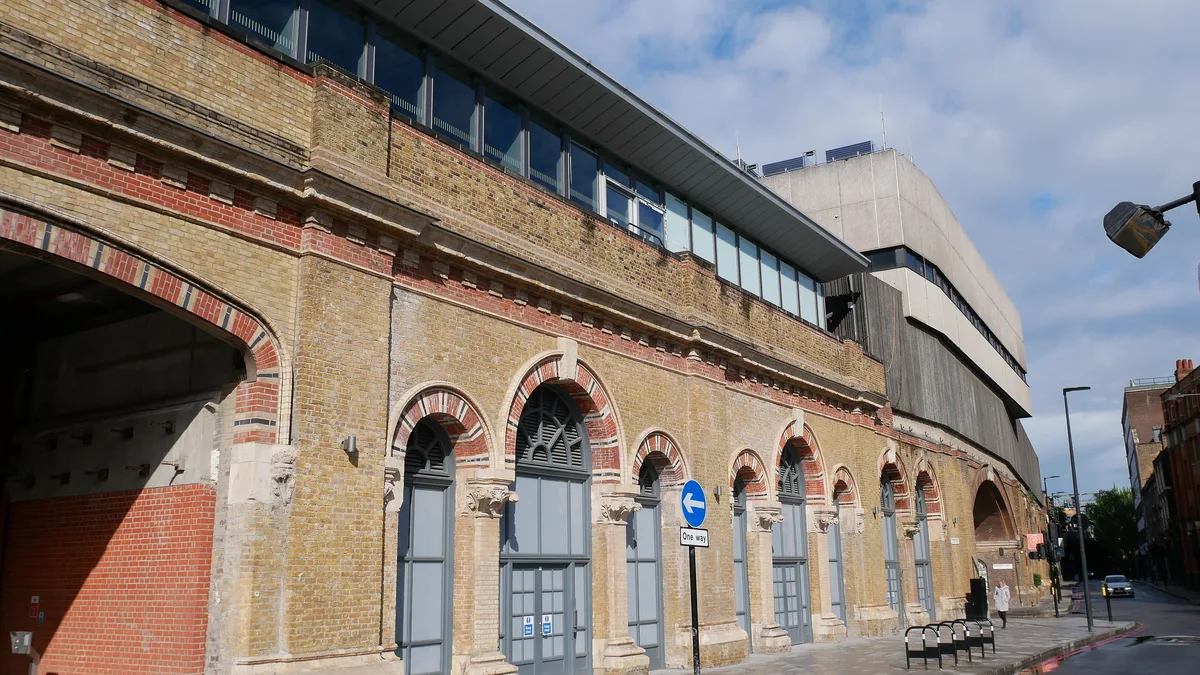
The hubs use central underground car parks, warehouse space and railway arches, putting 52,000 square feet of underused urban space to work. In London, PORT says its network covers 92% of the area within one mile of the Congestion Charge Zone and 60% within two miles across inner London. It plans to open a microhub in central Paris before the end of 2026, its first outside the UK.
"We believe robotised logistics does not start with the robot; it starts with the infrastructure, operations and data required to put robotics to work in the real world," said Kamil Suda, founder and CEO of PORT. "We have spent years building that foundation. Now, with this investment, we are focused on the physical AI and robotics that will run on top of it."
Couriers as data collectors
The core of the new plan is data. Part of PORT's fleet of 3,500 e-bikes now carries NVIDIA-powered cameras and lidar that record real delivery situations as couriers ride through London. When a bike returns to a hub, its data uploads automatically over the hub's fibre connection. PORT then picks out the scenes that matter for training, from kerbs, cyclists and drop-off points to rare edge cases.
Because the bikes are already on the road every day, each newly equipped bike adds data from its first shift, so PORT does not need a separate test fleet. The aim is an AI driver trained specifically for urban delivery, which will later run PORT's own robots on the same streets where the data was collected. The hub network matters here too: robots need to be stored, loaded and charged within a few miles of the delivery address.
Investors and partners
"PORT's impressive, proven commercial operation provides the ideal foundation for the next evolution of autonomous, robotic urban infrastructure," said Ervin Luga, head of venture capital investments at the EBRD. He said the missing real-world data layer has so far been a major limitation for driverless delivery.
PORT says its next development phase, a new robotic delivery system, will be rolled out in partnership with Royal Mail. Jack Clarkson, managing director of out-of-home at Royal Mail, said PORT gives the company "access to frontier technology and expertise that can help us unlock the next evolution of urban logistics".
Since September 2025, PORT trailers have allowed e-bike couriers to carry parcels, and its cargo bikes have delivered more than 300,000 parcels. PORT says each of these deliveries produces about 90% lower emissions than the same delivery by diesel van.
What it means for European founders and investors
PORT's approach turns a familiar problem in robotics on its head. Instead of building robots first and then searching for data and deployment sites, it starts with infrastructure and a working business, and uses that to collect training data at low cost. For physical AI founders, that is a reminder that access to real-world data and sites can be as defensible as the model itself.
The round also shows where capital for last-mile logistics is coming from. A development bank co-leading a robotics round signals that public investors see urban delivery infrastructure as part of the climate and mobility agenda. At the same time, last-mile delivery remains a tough business, as shown by the sale process for Stuart, the delivery platform owned by Mutares. Investors interested in physical AI can compare PORT's data-first model with robotics startups such as Machenta, which is working on robots that learn from a single demonstration.
Spotted an error? Email contact@europreneursmedia.com and we'll correct it. See our corrections policy and editorial standards.