OBI and toom agree to combine their German DIY stores under the OBI brand, with REWE taking about 30 percent
If competition authorities approve, Germany's DIY market gets a clear number one with more than 600 stores. The deal follows years of falling sales and store closures across the sector.
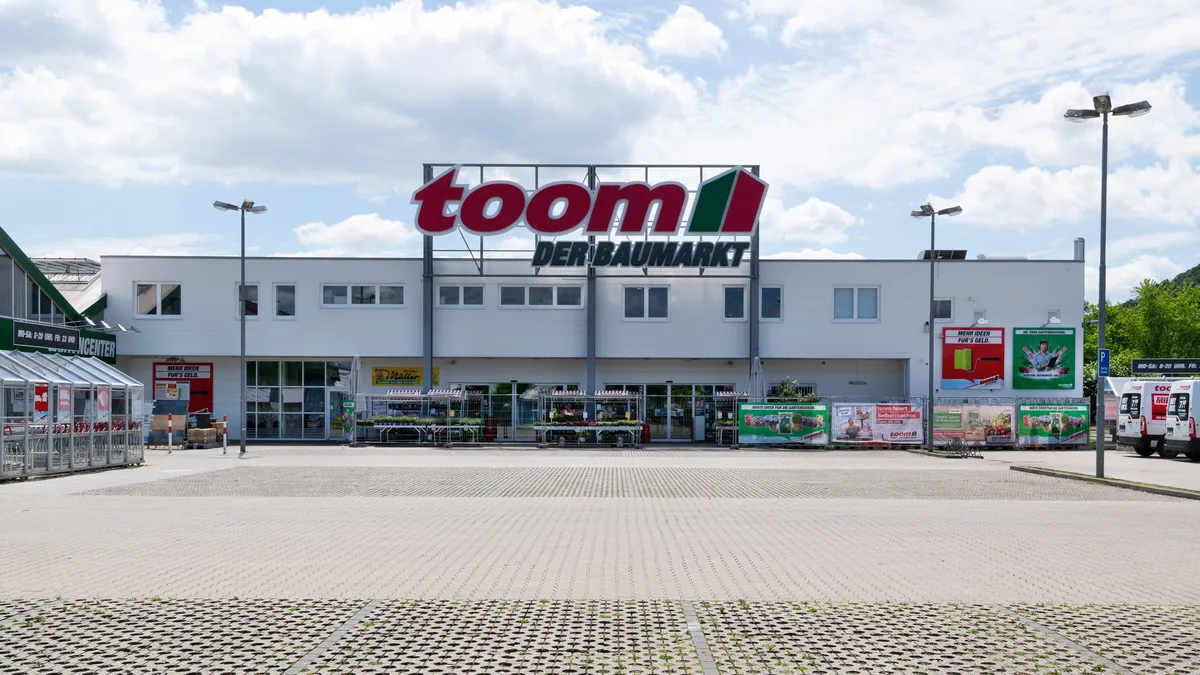
The Tengelmann Group, majority owner of OBI Group Holding, and REWE-Zentralfinanz, the owner of toom Baumarkt, have agreed to combine their DIY store businesses in Germany, the companies announced on Monday 23 November. Subject to regulatory approval, the toom stores will be rebranded as OBI.
In return, the REWE Group will receive a stake of around 30 percent in OBI Group Holding and will also provide additional funding to the joint business. Tengelmann remains the majority shareholder. Financial details were not disclosed. The deal still needs clearance from the Bundeskartellamt, Germany's competition authority, tagesschau.de reported.
What the companies agreed
After the merger, OBI expects to operate more than 600 stores in Germany. The companies said the network will be filled in and expanded so that most people in Germany can reach an OBI store in about 20 minutes on average. Converting the toom stores to OBI will take around 12 to 18 months once the approvals have been granted, according to the joint announcement.
The companies said the similar structures of the two chains allow extensive synergies and that the efficiency gains are to be reinvested in growth. They named digital platforms such as the heyOBI customer programme, the digital OBI marketplace, the arrangement of complete projects through partner firms and additional revenue models as priorities.
Who runs what
toom chief executive Jochen Vogel will lead toom until the deal closes and will then join the OBI management board. OBI will be led for the time being by chief financial officer Miguel Müllenbach and chief commercial officer Jochen Ludwig. The head office sites of OBI and toom in Cologne-Mülheim, Cologne-Porz and Wermelskirchen will continue to operate for now.
"The DIY retail market is changing, and now is the time to bring strengths together," said OBI supervisory board chairman Christian Haub, according to the announcement. REWE Group board member Christoph Eltze said the combination creates the basis for sustainable growth "in a challenging market environment".
The two chains
toom operates around 300 stores under the toom Baumarkt and B1 Discount Baumarkt names, with about 18,000 employees and gross sales of around EUR 3 billion, according to REWE. OBI has more than 660 stores across Europe. Besides Germany, it operates in nine other countries: Austria, Bosnia and Herzegovina, the Czech Republic, Hungary, Italy, Poland, Slovakia, Slovenia and Switzerland. The merger covers the German business.
The parties did not comment on the revenue or headcount of the combined group, tagesschau.de reported. OBI and toom rank alongside Bauhaus, Hornbach and Hagebau among the largest DIY chains in Germany.
A shrinking market
The deal comes after a long period of consolidation. In early 2026 there were 2,004 DIY stores with more than 1,000 square metres of floor space in Germany, down from more than 2,600 in 2001, WDR reported, citing the industry association BHB. The Dortmund-based chain Hellweg filed for insolvency in June 2026 and its last stores closed last week, with competitors taking over part of the network, according to WDR. For the sector as a whole, 2025 was the third year in a row of falling sales, the broadcaster said.
If toom becomes part of OBI, OBI will become the number one in the sector, WDR wrote. Philipp Hoog of the retail consultancy BBE told the German Press Agency that this was "not just a change of the shop sign, but a reordering of DIY retail", according to WDR.
What it means for founders and investors
For suppliers, brands and service providers that sell through German DIY stores, the merger would concentrate purchasing power with fewer buyers. For startups working on retail technology, marketplaces and home improvement services, the companies' focus on digital platforms, a marketplace and project services through partner firms points to where a combined OBI wants to invest.
The deal also shows that large owners such as Tengelmann and REWE prefer to combine forces and keep a stake rather than sell outright in a weak market. Whether the Bundeskartellamt clears the combination, and on what conditions, will decide how quickly that plan can start. For another large European retail deal, see Ahold Delhaize's purchase of Tesco's Czech and Slovak business. More news is in our Europe section.
Spotted an error? Email contact@europreneursmedia.com and we'll correct it. See our corrections policy and editorial standards.