Nokia, Nscale, Telia, Verda and Skeleton form Nordic Baltic AI gigafactory consortium
The five partners plan to bid under the EuroHPC call for AI gigafactories with a federated design that links sites in Oulu, Iru and Valmiera, plus a Swedish site still to be chosen.
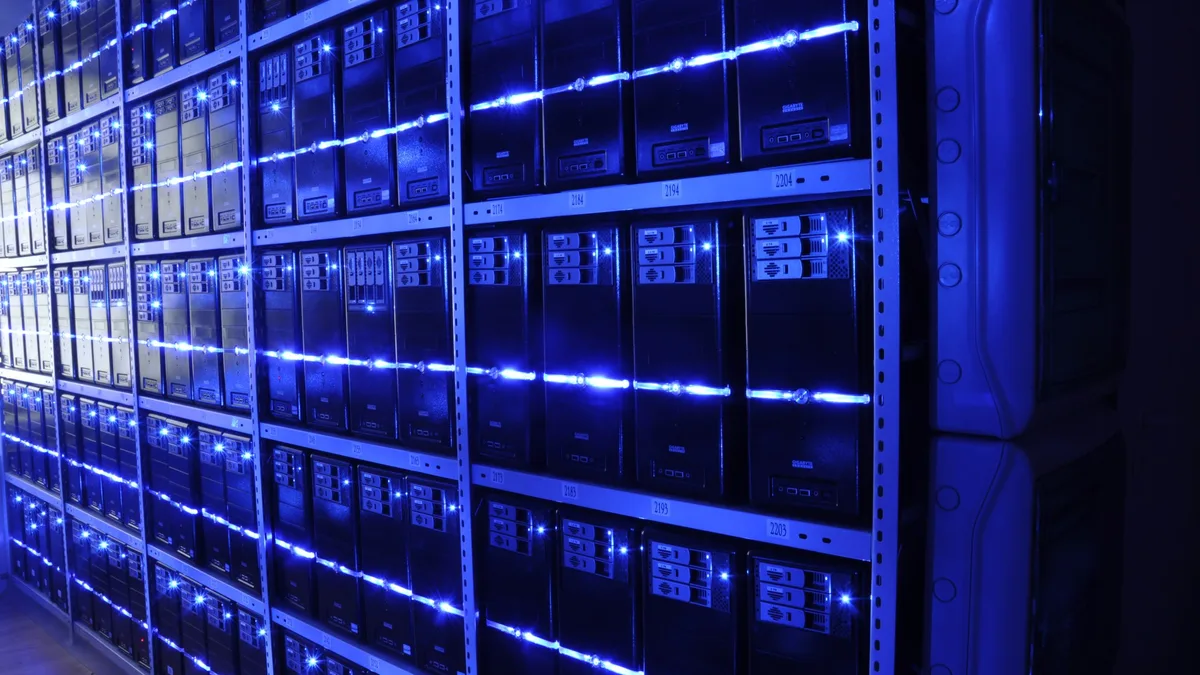
Nokia, Nscale, Skeleton, Telia and Verda have formed AI Gigafactory Northern, a European consortium that wants to build a federated, multi site AI gigafactory across the Nordic and Baltic region, Nokia announced on Monday 16 November. The partners intend to bid to build and operate it under the call for tenders for AI gigafactory consortia published by the European High Performance Computing Joint Undertaking.
The plan would connect facilities in Oulu in Finland, Iru in Estonia and Valmiera in Latvia, with a Swedish location still to be decided. The consortium has not been awarded a contract, and it has not published a capacity figure, chip count or investment total.
Who does what
According to the announcement, Nokia will provide the secure, high performance connectivity and network infrastructure to link the sites. Nscale brings cloud platform and AI infrastructure expertise for training and inference. Telia, with its subsidiary Telia Cygate, contributes connectivity, data transmission, infrastructure operations and cloud services, while Verda provides AI native infrastructure and cloud expertise. Skeleton Technologies contributes high power systems that it says make data centres more efficient and stable and reduce strain on the grid.
VTT Technical Research Centre of Finland and Sweden's KTH Royal Institute of Technology are supporting the consortium as research and innovation partners, bringing expertise in quantum computing, semiconductors, physical AI, photonics and AI skills.
Why a federated design
Rather than one very large campus, the partners propose linking several sites under European governance. They argue that spreading capacity across borders reduces concentration risk, allows them to tap several sources of decarbonised energy and lets them add computing where grid capacity is available. The region's cool climate reduces cooling demand, they say, so data centres can deliver more computing from existing grid connections.
"Europe's AI ambitions depend on infrastructure it can trust, control and scale," said Mikko Hautala, chief geopolitical and government relations officer at Nokia. Taavi Madiberk, chief executive and co-founder of Skeleton, said building lasting AI capacity "requires more than compute alone" and also needs energy and power infrastructure developed and manufactured in Europe.
Anders Olsson, head of Telia Sweden, said Europe's best "must step up" to meet growing demand for scalable and trusted AI services. Verda's chief information security officer Michael Champion said Europe needs its own strong infrastructure to support research, the public sector and wider industry as AI becomes more important for competitiveness and security.
The EU context
The consortium is being formed as the EU steps up investment in AI capacity. Through its InvestAI initiative, the EU aims to mobilise EUR 30 billion for AI investment, combining EUR 20 billion in private sector funding with EUR 10 billion from EU and national public sources, according to the release. That is the EU's overall goal rather than a budget for this project.
Independent outlet TSN stressed that the announcement creates a bidding group, not a selected gigafactory, and that power supply, capital and a bid timetable have yet to be set out. Data Centre Magazine also covered the launch.
What it means for European founders and investors
For AI startups in Europe, access to large scale computing inside the EU, under European governance, is a recurring bottleneck. If the bid succeeds, a Nordic and Baltic gigafactory would add another source of sovereign capacity alongside national projects such as Denmark's Gefion, where Netcompany recently joined the operator.
For investors, the line up shows how European scale ups are positioning themselves around public AI infrastructure money. Skeleton, which raised a strategic investment led by Siemens last month, and Nscale both stand to gain from contracts if the consortium wins. The next milestones are the bid submission, the choice of the Swedish site and the EuroHPC selection.
Spotted an error? Email contact@europreneursmedia.com and we'll correct it. See our corrections policy and editorial standards.