easyJet's annual headline profit falls 89% to GBP 71 million as fuel costs rise ahead of its Apollo takeover
The airline's holidays arm grew profit again, but higher fuel bills linked to the Middle East conflict and weaker demand cut group profit. The board will not pay a dividend.
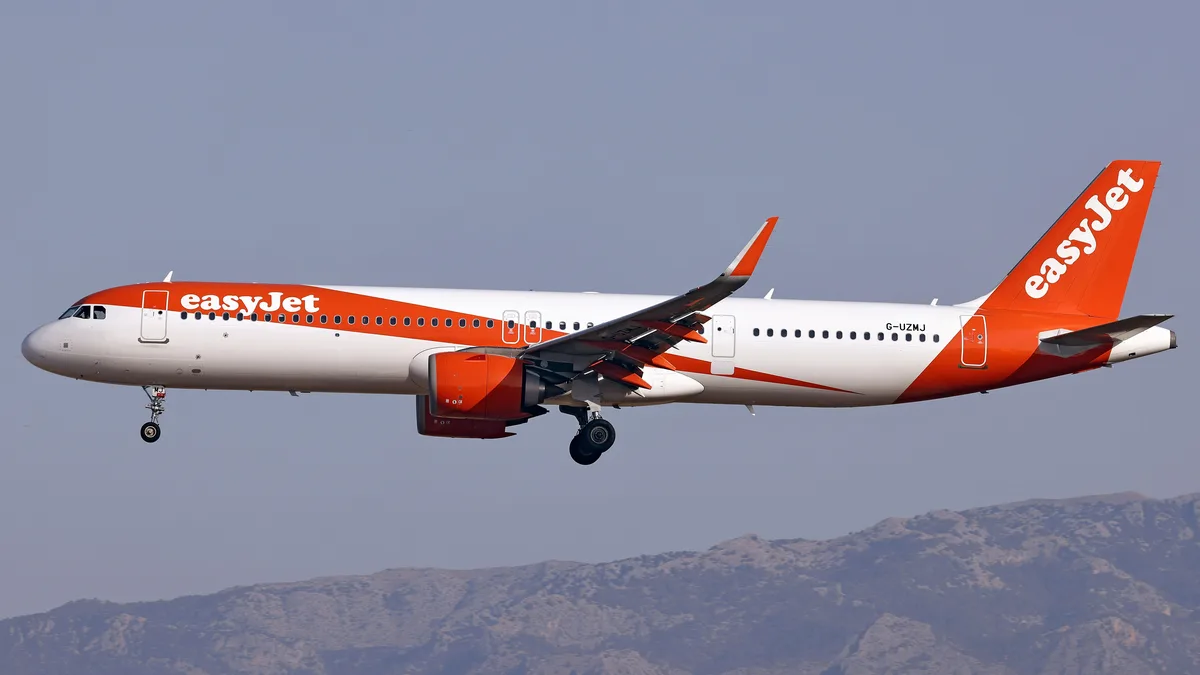
easyJet reported on Wednesday 25 November that headline profit before tax fell to GBP 71 million in the year to 30 September, from GBP 665 million a year earlier. Reported profit before tax was GBP 24 million, against GBP 658 million, according to the company's results announcement.
The airline said fuel costs rose 11%, or GBP 244 million, because of the Middle East conflict and the removal of free emissions allowances. Its takeover by funds managed by Apollo remains on track to complete in the first quarter of 2027, RTÉ and The Independent reported.
The numbers
Group revenue rose 6% to GBP 10.74 billion. Airline revenue grew 4% and revenue at easyJet holidays rose 19%. But total costs grew 13%, more than revenue. easyJet flew 96.4 million passengers, 3% more than a year earlier, on 107.0 million seats, and its load factor was flat at 90%.
The company said the conflict drove up fuel prices from March onwards and weakened demand for a prolonged period. Bookings recovered closer to departure, but not enough to offset the softer trend earlier in the booking window. It also pointed to the cost of adding winter capacity, including at Milan Linate and Rome Fiumicino, and to overcapacity in some beach markets.
Holidays keep growing
easyJet holidays made a profit before tax of GBP 266 million, up from GBP 250 million, and its customer numbers rose 13% to 3.5 million. The company said the business now has an 11% share of the UK market and launched a flight plus hotel offer in the fourth quarter.
Balance sheet and dividend
easyJet ended the year with GBP 4.4 billion of liquidity, GBP 3.1 billion of cash and net cash of GBP 268 million. The board is not recommending a dividend, compared with 13.2 pence per share a year earlier. It said this reflects both the results and the takeover terms, under which the bidder can reduce the price by the amount of any dividend.
The Apollo deal and the year ahead
In August, easyJet's board recommended a cash offer of 715 pence per share from Eagle Bidco, a company indirectly owned by funds managed by affiliates of Apollo Global Management. Shareholders approved the deal on 11 November. easyJet said competition and foreign investment clearances have been received in the UK, Germany, Austria, France, Italy, Spain and Malta.
Because of the deal, the board is not giving detailed guidance for the 2027 financial year. It expects revenue per seat to improve each quarter and says it has hedged 69% of its fuel needs for the first half at USD 803 per tonne and 54% for the second half at USD 898 per tonne. It plans to retire 54 older A319 aircraft over the next two years, which it expects to save about GBP 250 million a year.
"This year was challenging for airlines due to the Middle East conflict and its effect on demand and fuel prices, which materially impacted our financial performance," chief executive Kenton Jarvis said. Julie Palmer of advisory firm BTG told RTÉ that as the cushion of hedged fuel runs out, fare and package price rises could be hard to avoid.
A tough winter for airlines
easyJet's results come on the same day that long-haul carrier Norse Atlantic said its financial situation is critical. Earlier this month, Ryanair reported a 15% fall in first-half profit as unhedged fuel costs doubled.
What it means for European founders and investors
easyJet shows the value of a second business that is less exposed to fuel: its holidays arm earned far more than the group as a whole this year. For founders in travel tech, the growth of packaged and dynamic holidays, loyalty schemes and in-flight connectivity points to where large airlines are investing.
For investors, the results are a reminder of how quickly fuel shocks can erase airline profits, and why private equity buyers like Apollo are betting on long-term recovery rather than the next twelve months. More European business news is in our Europe section.
Spotted an error? Email contact@europreneursmedia.com and we'll correct it. See our corrections policy and editorial standards.