VÆRIDION raises EUR 30m Series A2 and wins EU Innovation Fund selection for electric Microliner
The equity round funds the first conforming Microliner prototype. A separate EUR 94.5m Innovation Fund selection for the CAROLUS industrialisation project is still subject to a grant agreement expected in 2027.
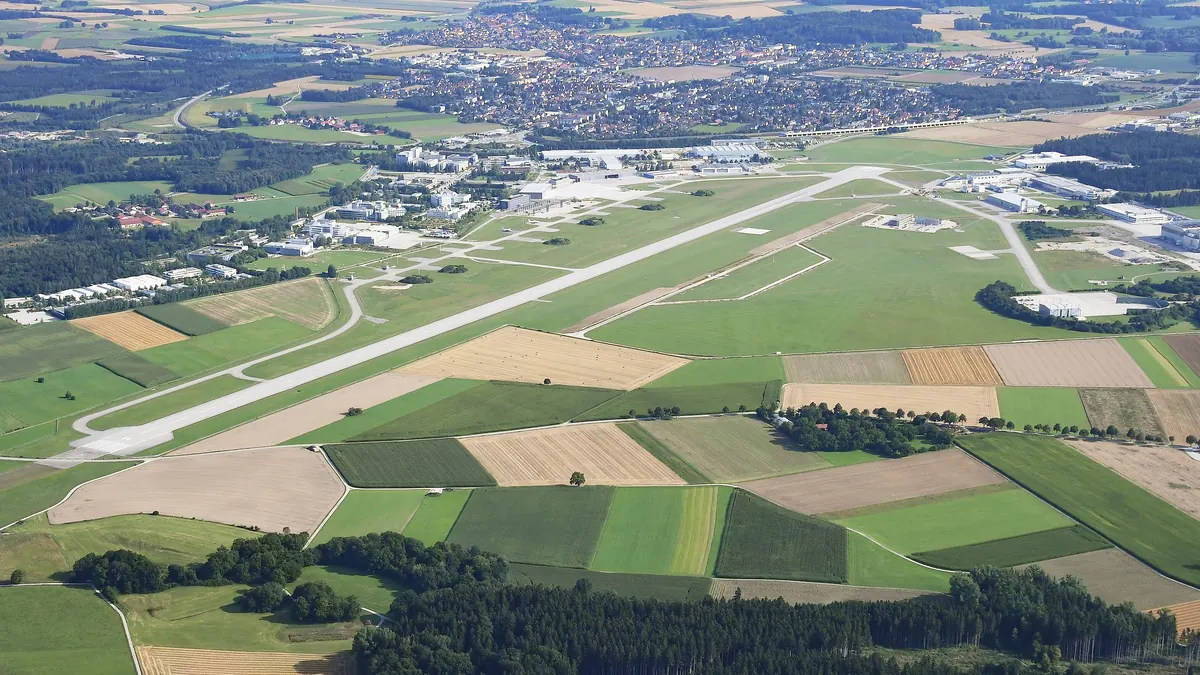
Munich-based electric aircraft maker VÆRIDION has closed a EUR 30 million Series A2 led by SHIFT Invest and Invest-NL, with existing backers World Fund, Project A and Vsquared Ventures, plus PAYBACK founder Alexander Rittweger, among others. Including this round and earlier public funding, the company says it has raised about EUR 60 million to date.
Separately, the European Commission selected VÆRIDION's CAROLUS project for a EUR 94.5 million EU Innovation Fund grant to support industrialisation at Oberpfaffenhofen Airport. The company and EU-Startups framed equity plus grant selection as more than EUR 124 million, but the grant is not closed cash: it remains subject to a grant agreement expected to be signed in 2027.
Equity for a conforming prototype
According to the company, the Series A2 will fund construction of the first conforming Microliner and integrated battery and propulsion testing. VÆRIDION opened a production and test facility at Oberpfaffenhofen Airport in March 2026 and says it has powered on its electric engine there for the first time. Next steps include integrating battery packs and propulsion on a ground-test rig known as the copper bird, alongside wind-tunnel work, before flight testing.
Tech.eu reported that the company was founded in 2021 by former Airbus managers Ivor van Dartel and Dr Sebastian Seemann, and that it is targeting commercial service for the Microliner in 2030.
"Over the past year, we have turned the Microliner from a validated design into hardware, with exceptional capital efficiency. Our propulsion and battery technology is now being tested at our own facility in Oberpfaffenhofen. This equity round enables us to build our first conforming aircraft," van Dartel said in the company release.
The Microliner
The Microliner is a clean-sheet, all-electric regional aircraft designed for nine passengers or about 10 cubic metres of cargo. The company targets roughly 400 kilometres under Instrument Flight Rules with nine passengers, or up to 550 kilometres with four passengers under Visual Flight Rules. It is being developed to EASA CS-23 requirements and has completed its Preliminary Design Review and a second Pre-Application Contract with EASA over the past year, according to the release.
The design pairs a glider-inspired wing with patented integrated modular batteries and a multi-engine, single-propeller propulsion system. VÆRIDION says targeted operating costs below EUR 0.40 per seat-kilometre could support fares at the level of a first-class rail ticket on short regional routes. The company argues that Germany alone has more airfields accessible to the Microliner than ICE high-speed rail stations, and that lower noise could open night flights subject to airport approval.
Order book and industry partners
Commercial commitments cover 130 aircraft valued at more than EUR 730 million, with ASL Group as launch customer. The company's Market Advisory Committee includes KLM, BayernLB and TrueNoord. Engineering work spans Munich and Delft, with production planned in Bavaria. EU-Startups noted that SHIFT Invest's investor base includes KLM, Schiphol and TU Delft, which helps explain the Dutch capital interest in a Bavarian electric aircraft programme.
EUR 94.5m grant selection is not a closed cheque
CAROLUS was selected from 358 applications as one of 12 large-scale Innovation Fund projects. VÆRIDION says it is the only aviation project and the only German company in that large-scale category. The grant is meant to support establishing and ramping up a final assembly facility at Oberpfaffenhofen. Selection remains subject to completion of the grant agreement, expected in 2027. Founders and investors should treat the EUR 30 million equity and the pending grant as separate instruments, not one combined closed raise.
Thijs Gitmans, general partner at SHIFT Invest, said regional aviation is "one of the clearest cases where electrification makes both environmental and commercial sense," and that VÆRIDION has chosen a certification pathway regulators already understand. Daria Saharova, managing partner at World Fund, said Europe can build aircraft the world buys and called investing in the future of aviation "Europe's power play."
Why it matters for European founders and investors
Electric regional aircraft sit at the intersection of deeptech hardware, certification risk and EU industrial policy. A Series A2 that funds a conforming prototype, paired with an Innovation Fund selection for factory scale-up, is a clearer European pathway than many capital-intensive air mobility stories that never reached hardware. Compare with other aerospace and deeptech rounds such as Hypersonica's Series B and our broader funding coverage.
The company's own framing of "over EUR 124 million" will travel widely in headlines. Readers should remember that only the EUR 30 million equity is closed; the EUR 94.5 million grant is a selection, not a signed cheque, and earlier public funding already sits inside the roughly EUR 60 million raised-to-date figure.
What happens next
VÆRIDION will build the first conforming Microliner, continue propulsion and battery testing, expand its European team and work toward the Innovation Fund grant agreement. First delivery is targeted for 2030, subject to certification and industrialisation milestones.
Spotted an error? Email contact@europreneursmedia.com and we'll correct it. See our corrections policy and editorial standards.