Ratos sells Nordic garden centre chain Plantasjen to Accent Equity and takes a SEK 1 billion book loss
After ten years of ownership, the Stockholm listed investor is exiting the 90 store chain at an enterprise value of SEK 400 million, as it narrows its focus to industrial and infrastructure companies.
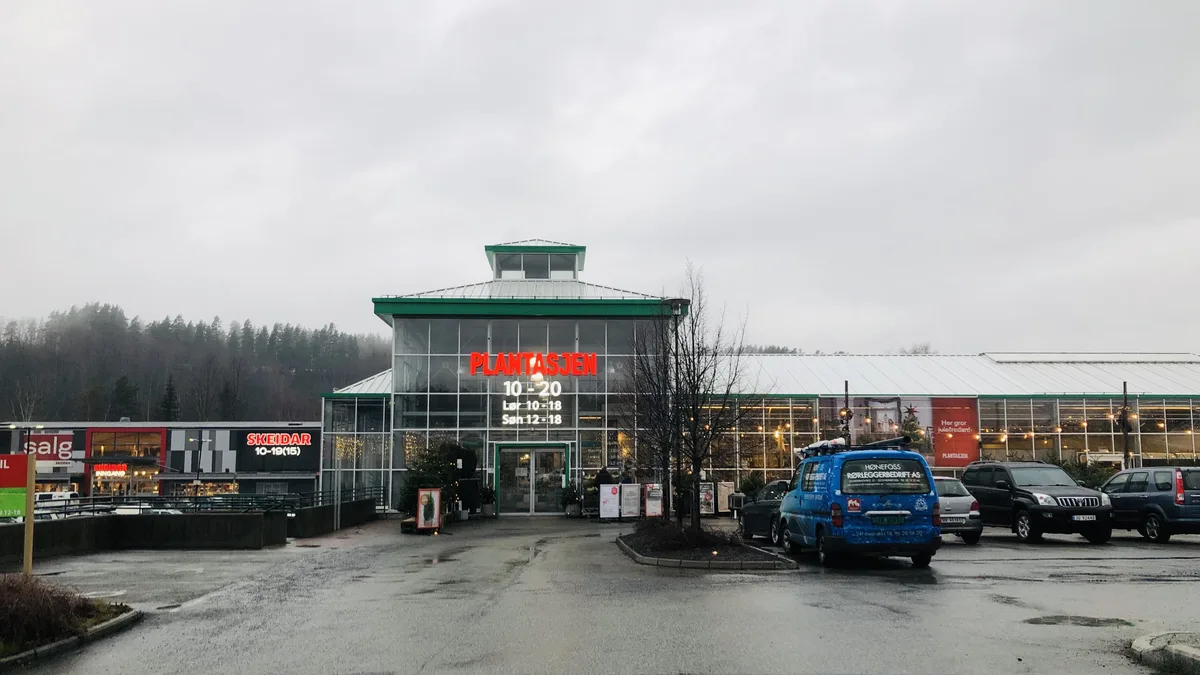
Swedish investment company Ratos has agreed to sell its entire holding in Plantasjen Group AS, the Nordic garden centre and plant retailer, to private equity firm Accent Equity, Ratos announced on the evening of Tuesday 24 November. The transaction values Plantasjen at an enterprise value of SEK 400 million, excluding lease liabilities.
Ratos expects to book a capital loss of about SEK 1 billion on the sale, a non cash item, Finansavisen reported. Closing is expected in the first quarter of 2027, subject to customary regulatory approvals.
The terms
The equity purchase price is SEK 280 million. Of that, SEK 98 million will be paid in cash at closing and SEK 182 million through a vendor note with a long stop date of eight years, which must be repaid early if there is a change of control, according to the Ratos release. Plantasjen had lease debt under IFRS 16 of SEK 1,691 million at the end of the third quarter of 2026, which implies an enterprise value of SEK 2,091 million including leases.
Ratos expects a positive cash flow effect of about SEK 100 million when the deal closes. From the fourth quarter of 2026, Plantasjen will be reported as a discontinued operation. ABG Sundal Collier advised Ratos on the transaction, with Thommessen and Gernandt & Danielsson as legal advisers.
Ten years under Ratos
Ratos bought Plantasjen in 2016. Finansavisen reported that it paid around NOK 1.2 billion at the time, in a deal that valued the chain at NOK 2.8 billion. The company was founded in Norway in 1985 and opened its first store in 1986. Today it runs 90 stores, 56 in Norway under the Plantasjen name and 34 in Sweden under the Plantagen brand, and employs around 1,500 permanent and seasonal staff, according to its website.
The chain's profitability has been thin. In the twelve months to the end of the third quarter of 2026, Plantasjen had net sales of SEK 3,113 million and adjusted EBITA of SEK 153 million including IFRS 16 effects, but only SEK 12 million excluding them.
Why Ratos is selling
Ratos says the sale is part of its 2030 strategy to build a more focused portfolio. "The transaction is an important step in executing our strategy and a key milestone in the divestment of our Consumer portfolio," said chief executive Gustaf Salford. He added that the exit allows Ratos to concentrate on its Industry and Infrastructure companies, where it sees the greatest opportunities.
The figures published by Ratos show the effect. On a twelve month basis, group net sales fall by 16%, from SEK 19,227 million to SEK 16,114 million, while adjusted EBITA excluding IFRS 16 falls by only 1%. The corresponding margin rises from 10.5% to 12.4%, and the group's lease debt falls by 43%.
What it means for European founders and investors
The deal is a clear picture of how hard Nordic consumer retail has been for financial owners. A business bought at a NOK 2.8 billion valuation in 2016 is changing hands at a much lower enterprise value, with more than half of the equity price paid through a vendor note rather than cash at closing. Seller financing of this kind can be a sign that a buyer and seller are bridging a gap on value, or that bank funding for a retail turnaround is limited.
For private equity, the transaction shows that there are still buyers for asset heavy consumer businesses if the price and structure reflect the risk. Accent Equity, a Nordic buyout firm, is taking on a chain with large lease commitments and low margins, so the next owner's plan for store costs and online sales will be closely watched.
For founders in retail and consumer tech, the message is that investors are rewarding focus and margins over sheer revenue. Ratos is accepting a smaller group in exchange for higher margins and less lease debt. Similar consolidation in physical retail is happening in Germany, where OBI and toom agreed to merge their DIY chains. More deals are in our funding and M&A section.
Spotted an error? Email contact@europreneursmedia.com and we'll correct it. See our corrections policy and editorial standards.