Ifo business climate rises to 90.2 as German industry turns positive
Germany's most closely watched sentiment survey rose for the sixth month in a row. Expectations improved and manufacturers were more upbeat than in over three years, but companies rated their current situation slightly worse.
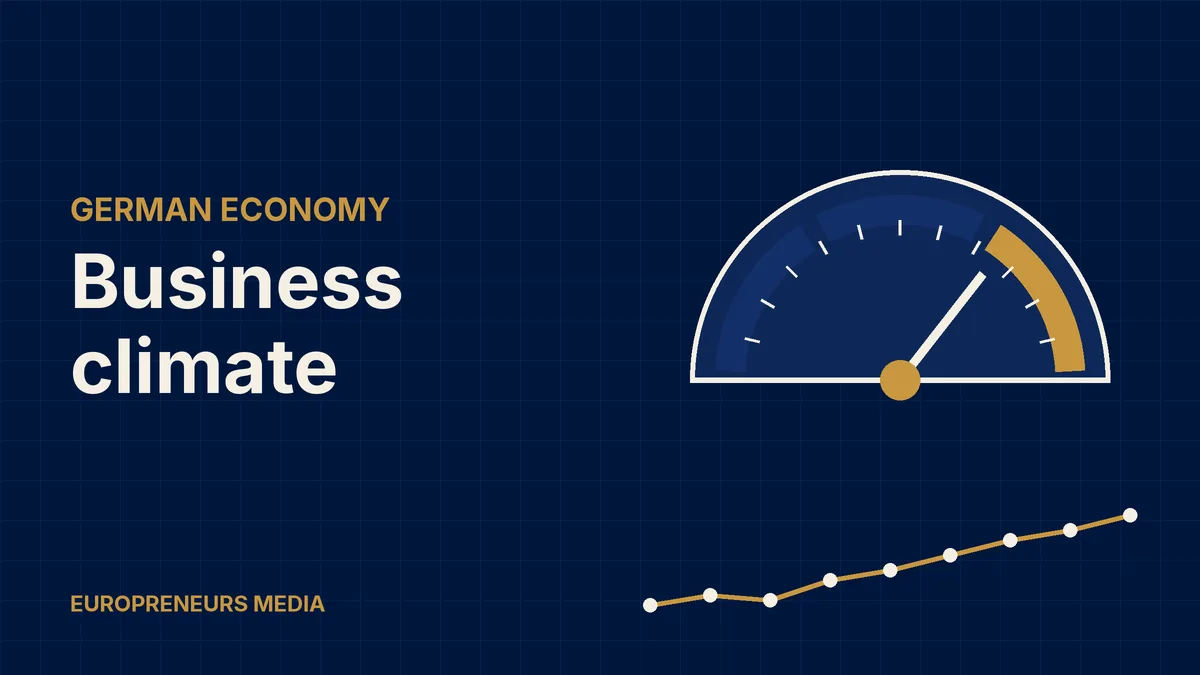
The Ifo Business Climate Index for Germany rose to 90.2 points in October 2026, up from 89.9 in September, the ifo Institute said on 26 October. The rise came from more optimistic expectations, while companies rated their current business situation slightly worse. "The economic recovery is continuing," ifo President Clemens Fuest said.
It was the sixth rise in a row and the highest level since spring 2023, according to tagesschau, which said analysts had expected the index to stay at 89.9.
The numbers
The index is based on about 9,000 monthly responses from companies in manufacturing, services, trade and construction. Firms are asked about their current business and their expectations for the next six months.
In October, the ifo data show the business climate at 90.2 points, up from 89.9. The assessment of the current situation slipped to 88.8 from 89.5, while expectations rose to 91.6 from 90.4.
The climate index has climbed steadily since a low of 84.7 in April 2026. Expectations have recovered even faster, from 83.9 in April to 91.6 now, according to the ifo tables. A year ago, in October 2025, the index stood at 88.3.
Manufacturing turns positive
The biggest change came in manufacturing. The sector's climate balance rose to 1.2 from -2.7 in September. Companies rated both their current situation and their expectations substantially better, and both indicators were in positive territory for the first time in more than three years, ifo said. Incoming orders rose, and firms plan to expand production.
Services, trade and construction
Services went the other way. The balance fell to -1.2 from 0.7, as companies were less happy with current business, though their expectations improved. IT service providers did particularly well. tagesschau links this to demand related to artificial intelligence and data centres.
In trade, the balance was unchanged at -17.2. Retailers and wholesalers rated their current situation more negatively but were slightly more hopeful, and wholesale did better than retail. Construction improved to -15.5 from -17.0, as firms were noticeably more satisfied with their current business. Across the economy, the balance rose to -2.9 from -3.5.
How economists read it
Economists quoted by tagesschau were cautiously positive. Thomas Gitzel, chief economist at VP Bank, said a fall in the index would not have been surprising given high energy prices and unrest in neighbouring European countries, and that full order books give hope that the recovery continues next year. Klaus Bauknecht of IKB said expectations point to a moderate, if volatile, recovery, but saw no sign of a sustained upswing in investment.
The survey fits the more optimistic picture the government gave earlier this month. In its autumn projection, Berlin lifted its 2026 growth forecast to 1.3 percent, while warning that private consumption and investment would recover only slowly.
What it means for European founders and investors
Germany is the largest economy in Europe and a key customer market for startups across the continent. A recovery led by industry matters for companies that sell software, automation, energy and supply-chain tools to German manufacturers. More orders and plans to expand production can mean more budget for new suppliers, after a long period in which many industrial buyers were cutting back.
The services split is also worth noting. IT services stood out even as the wider services sector weakened. For B2B software and AI founders, it suggests that technology spending is holding up better than the general mood. But one good month is not a trend, and the services setback shows the recovery is uneven.
For investors, the most important figure is expectations. Six rises in a row suggest that German companies see the worst behind them. But the current situation was rated slightly worse in October, and economists still see little sign of an investment boom. That points to a gradual recovery, not a sharp one. Founders raising money on a German growth story should expect investors to ask for proof in orders and revenue, not just sentiment.
The next ifo reading is due in November. Together with official growth data, it will show whether the improvement in sentiment turns into real activity. Readers can find the full results and methodology on the ifo website and in the German release.
Spotted an error? Email contact@europreneursmedia.com and we'll correct it. See our corrections policy and editorial standards.