Swiss flax composites maker Bcomp gets EUR 20 million from the EIB for a plant in Romania
The financing backs a EUR 47.6 million investment programme to scale natural fibre materials used by carmakers and racing teams, and comes a week after Bcomp announced its second production site.
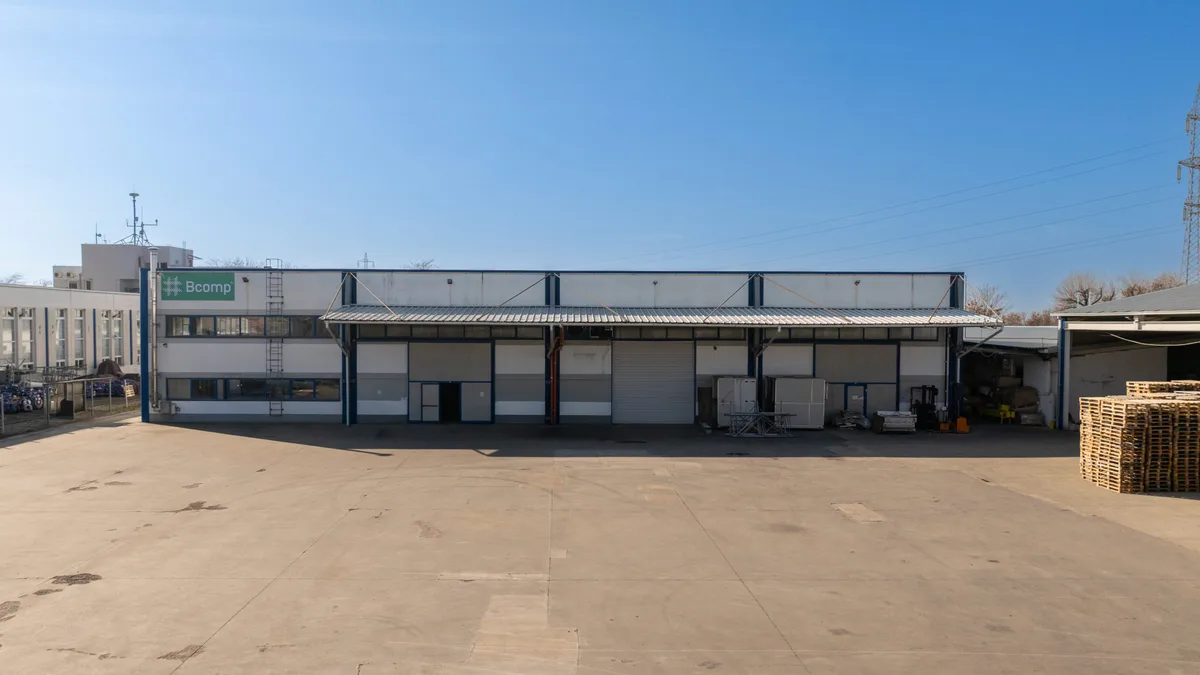
The European Investment Bank is providing EUR 20 million in venture debt to Bcomp, a Swiss company that makes high-performance composite materials mainly from flax fibres, the bank announced on Tuesday 24 November. The money will help fund a high-volume manufacturing plant in Timișoara, western Romania, and continued research and development in Fribourg, Switzerland.
The loan supports Bcomp's EUR 47.6 million investment programme, which the company plans to carry out between 2027 and 2030, Romania Insider reported. The financing is backed by the EU's InvestEU programme and is part of the EIB Group's TechEU programme.
What Bcomp makes
Bcomp develops natural fibre composites as alternatives to conventional carbon fibre, glass fibre and plastics. Its materials are used in industries including automotive, motorsport and recreational equipment, and they have a significantly lower environmental footprint, according to the EIB. The company's main products are ampliTex, a technical fabric woven from flax, and powerRibs, a reinforcement grid. In October, Bcomp said its materials are used in the front seatbacks and tailgate structure of the Polestar 5, as listed on its news page.
Bcomp's version of the announcement describes the financing as convertible venture debt. Venture debt is a loan for fast-growing companies that usually comes alongside equity investors. A convertible structure can let the lender take part of the repayment in shares.
Why Timișoara
Bcomp announced on 18 November that it would build a new production facility in Timișoara, on track to launch in 2027. The site will significantly increase production of roving, the yarn used to weave ampliTex, giving Bcomp more control over quality and a near-shored supply chain. The production line will be based on the existing set-up in Fribourg.
The company chose the city for its automotive manufacturing expertise, skilled workforce and location close to European carmakers and to Bcomp's headquarters in Switzerland. In Romania, the automotive industry accounts for around 13 percent of GDP and 33 percent of exports, Bcomp said, citing increased demand from carmakers as the reason for adding a second site.
About 61 percent of the planned investment will take place in Romania's Vest region, and Bcomp expects to significantly expand its workforce through 2030, with the Timișoara plant as a key driver, the EIB said.
What the two sides say
"Europe needs to turn technological innovation into industrial production if we are to strengthen our competitiveness and accelerate the green transition," said EIB Vice-President Ioannis Tsakiris. Bcomp chief executive Christian Fischer said the EIB's support "will allow us to expand production and continue investing in R&D, strengthening our ability to serve industrial customers".
The EIB says innovative companies often struggle to raise the risk capital needed to scale up, especially when they invest in new technologies and production capacity, and that its backing sends a signal that could help Bcomp attract further financing.
What it means for European founders and investors
Bcomp's financing is another example of how the EIB is using venture debt to help deep tech and climate tech companies cross the gap from pilot to industrial scale. Last week, Dutch heat network software company Gradyent secured a similar EUR 20 million EIB venture loan. For founders, these loans can stretch equity rounds and reduce dilution, but they usually require a strong investor base and a clear plan for revenue.
The deal also shows that a Swiss company, outside the EU, can access EU-backed financing when the money supports investment inside the Union. Here, most of the spending goes to an EU cohesion region, which fits the bank's regional development goals as well as its climate and innovation targets.
For investors in materials and automotive supply chains, the move to Romania reflects a wider trend: suppliers are building capacity in Central and Eastern Europe, close to car plants and with lower costs than Western Europe. Bio-based materials that cut virgin plastics and carbon fibre are getting more attention from carmakers, but volumes still depend on how fast they adopt them in series production. More startup financing news is in our startups section.
Spotted an error? Email contact@europreneursmedia.com and we'll correct it. See our corrections policy and editorial standards.