Sequoia Capital to close London office and cut Europe team
The firm said it no longer sees a need for a local London presence, even as it raised about USD 10 billion in new funding and said Europe will keep producing outlier founders.
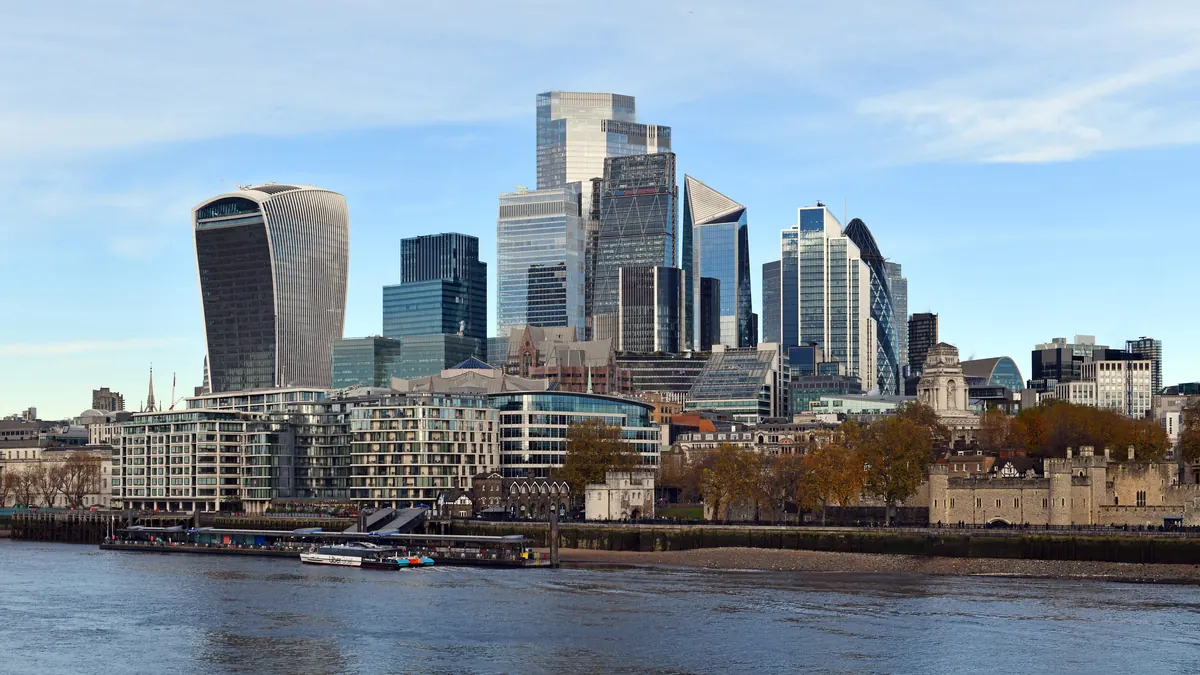
Sequoia Capital is closing its London office and several people will leave the firm, Reuters reported on 4 November 2026, citing a company statement. The office had operated for about six years.
"This is not about the team - they are excellent. We simply don't see the need for a local presence," the firm said, according to Reuters. It added that Europe will continue to produce outlier founders and that Sequoia can support them from its Bay Area home base. In the same statement, Sequoia said it has raised about USD 10 billion in new funds, without detailing the time period.
Why London, and why now
Reuters framed the move as a setback for London and UK efforts to build a larger local tech and AI industry by attracting more funding. Sequoia said a 20-year expansion phase, including internationally, had created hierarchy and that it wanted to flatten its structure. In 2024 it split off its Chinese and India/Southeast Asia businesses into independent firms under their own brands.
Sifted reported the firm announcement via an X article and placed the decision in a broader pattern of US investors trimming dedicated London desks after earlier exits by firms such as Andreessen Horowitz and Coatue from local London offices.
Who stays in Europe
Secondary reporting, including PitchBook and EU-Startups coverage of the same announcement, said partner Luciana Lixandru will remain in Europe and stay a Sequoia partner, while Anas Biad is relocating from London to San Francisco with the firm and will keep working with European founders. Those personnel details were not in the short Reuters wire; founders should treat them as reported context around the confirmed office closure.
Capital still flowing cross-border
The closure does not mean US venture capital is leaving Europe. PitchBook and other European desks have documented continued US participation in European rounds even as some firms centralise decision-making in California. Sequoia's own statement stressed ongoing support for European outliers from the Bay Area rather than a withdrawal from the market.
What founders should change in outreach
European founders who relied on London partners for informal coffee meetings and local syndicate introductions will need a different motion: warm introductions into Bay Area partners, stronger data rooms that travel well asynchronously, and earlier relationships with European funds that still staff local desks.
The raise of about USD 10 billion in new funds, disclosed in the same statement, shows that Sequoia is not starving its platform of capital. The constraint is attention and geography, not dry powder. That combination can still produce large cheques for European outliers, but the default diligence venue shifts west.
Policymakers in the UK and EU who court US brands should separate office optics from capital outcomes. Remote allocation can coexist with falling local headcount, which makes it harder to celebrate nameplate openings as durable industrial policy wins.
Why it matters for European founders and investors
A dedicated London office was a signal that a top-tier US firm wanted local presence for sourcing and support. Closing it while raising a large new fund pool concentrates diligence and partner time in Silicon Valley. European founders raising Series A and beyond may need stronger Bay Area relationships, or deeper ties to European funds that still staff local offices. For related Europe capital-market coverage, see Creandum's Fund VIII and our europe section.
The episode also sharpens a practical question for London: whether attracting US brand names requires permanent desks, or whether capital can keep arriving remotely when the diligence culture prefers the Bay Area.
What happens next
Sequoia will wind down the London office, handle departures, and route European founder support through Bay Area partners. Portfolio work in Europe is expected to continue; the open question is how many local investors and operators rebuild around other London and continental funds.
Spotted an error? Email contact@europreneursmedia.com and we'll correct it. See our corrections policy and editorial standards.