British Business Bank takes a GBP 43m stake in Oxford Science Enterprises to back university spinouts
The state-owned bank has co-invested with OSE ten times, most recently in AI chip maker Fractile. The deal gives Oxford spinouts easier access to the bank's long-term capital.
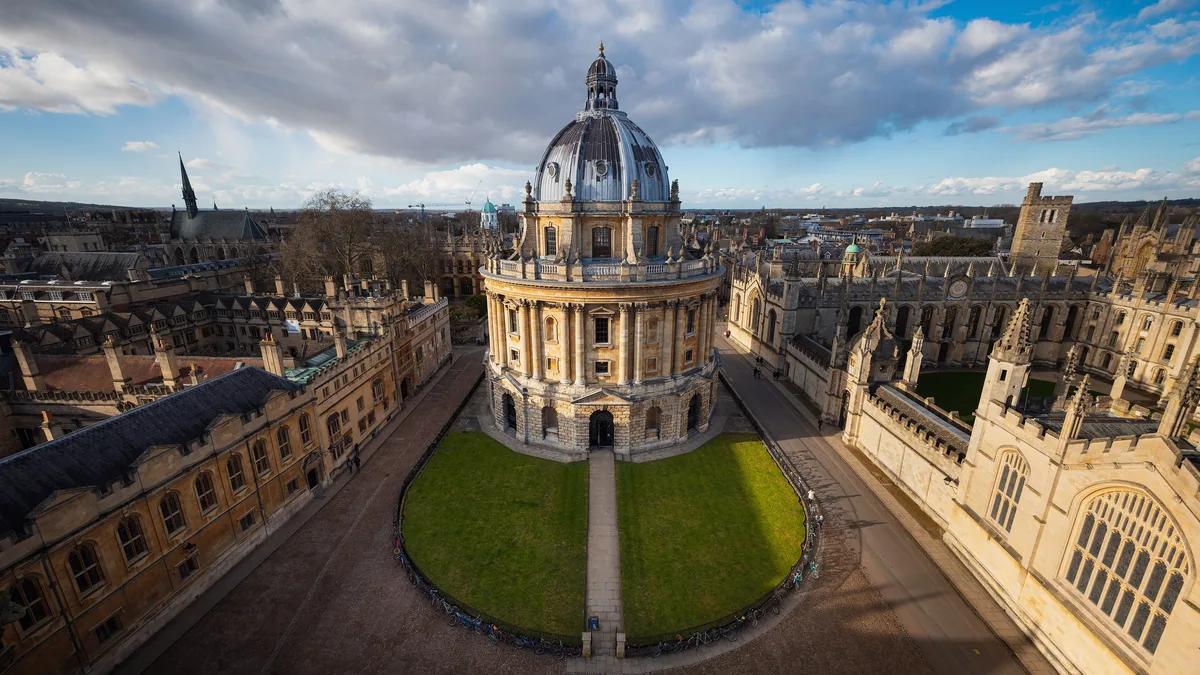
The British Business Bank has acquired a GBP 43 million shareholding in Oxford Science Enterprises (OSE), the company that turns University of Oxford research into startups, the bank announced on Monday 23 November. It is the bank's first investment in OSE itself.
The two have already co-invested in a number of Oxford spinouts, including Nucleome, Quantum Motion, Oxford Quantum Circuits, Salience Labs and OMass Therapeutics. The bank said it has also taken a direct stake in AI hardware company Fractile as part of its recent funding round of more than GBP 500 million, its tenth co-investment with OSE. Silicon Republic and Tech.eu also reported the deal.
What the deal does
The investment establishes a closer partnership between OSE and the British Business Bank, the UK's state-owned economic development bank. According to the bank's release, it will deepen collaboration on future co-investments and give OSE's portfolio companies greater access to the bank's long-term capital as they scale.
OSE's existing investors include Aviva, M&G, L&G and Lansdowne Partners. The bank said its stake adds further domestic backing so that the UK benefits from the growth of Oxford's leading spinouts. The University of Oxford owns five percent of OSE, Tech.eu reported.
OSE's track record
OSE was founded in 2015 and has helped build more than 125 companies since then, according to the bank. It says it is now creating around one new company with the potential to be worth a billion pounds every month. In the past 18 months, three OSE portfolio companies, Oxford Ionics, Oxford Quantum Circuits and Fractile, reached unicorn status.
OSE has a portfolio of more than 50 flagship deep tech, health tech and life sciences companies with a combined net asset value of GBP 1.8 billion, Silicon Republic reported. Quantum computing company Oxford Ionics was acquired by the US-listed IonQ for USD 1.075 billion, Tech.eu noted.
The Fractile link
Fractile was founded in 2022 by Walter Goodwin after his PhD in AI at the University of Oxford and has been backed by OSE from the start. It is developing chips and systems designed to run advanced AI models faster and more efficiently. We covered its recent round in Fractile raises USD 720m at a USD 7bn valuation. The bank is also invested in Fractile through Kindred Capital, which took part in the company's seed round in July 2024.
Why the bank is backing spinouts
The British Business Bank wants to help the UK turn research from its universities into companies that scale at home. Its equity programmes supported one in every five academic spinout deals from 2023 to 2025, and it has previously invested in Cambridge Innovation Capital, Northern Gritstone and Albion's UCL Technology Fund, the bank said.
"It is a well-known fact that the UK has world-leading universities. But for these to become economic engines, we have to create an environment that allows universities to commercialise research and build companies," said Leandros Kalisperas, chief investment officer of the British Business Bank.
OSE chief executive Ed Bussey called the investment "a hugely welcome endorsement of the strategic importance of OSE to the UK's future prosperity, health and security", according to Tech.eu.
What it means for founders and investors
For Oxford founders, a state-backed shareholder in OSE could make follow-on funding easier as companies grow from seed into larger rounds, which is often where UK spinouts look abroad for capital. For investors, the deal shows the UK government using its development bank to anchor domestic capital in deep tech at the platform level, not only in individual startups.
The move fits a wider UK push to keep scale-up capital at home, which we covered in the UK budget's measures for the National Wealth Fund and the British Business Bank. Other European universities and their venture arms will watch whether this model draws more long-term money into spinouts. More deals are in our funding section.
Spotted an error? Email contact@europreneursmedia.com and we'll correct it. See our corrections policy and editorial standards.