Boehly-led consortium signs share swap deal for Lukoil's international assets, including European refineries
The deal swaps Lukoil securities worth USD 10 billion for the Russian group's international business and still needs approval from the US Treasury. Refineries in Bulgaria, Romania and the Netherlands are part of the portfolio.
US investor Todd Boehly said on Wednesday 25 November that he had signed a deal with Lukoil for a consortium that includes the US International Development Finance Corporation (DFC) to acquire the sanctioned Russian oil company's international energy assets, Reuters reported. The consortium is led by Boehly's investment firm Eldridge.
The deal involves swapping Lukoil securities worth USD 10 billion for the international business and requires approval from the US Treasury's Office of Foreign Assets Control (OFAC), according to Reuters and CNBC.
What is being bought
Bulgarian news agency BGNES reported that the consortium announced a definitive agreement to buy 100% of LUKOIL International GmbH, which holds the group's energy portfolio outside Russia. Besides Eldridge and the DFC, the consortium includes UAE-based Catena Investment Holding and US investment bank Xtellus Partners. BGNES said Citi is the consortium's lead financial adviser.
Reuters reported that the portfolio spans operations in 11 countries producing around 350,000 barrels of oil per day, including major oilfields in Azerbaijan and Kazakhstan, as well as refineries in the Netherlands, Bulgaria and Romania and a large network of service stations. Two people familiar with the terms told Reuters it is valued at around USD 16 billion. Boehly said the valuation can shift depending on views on oil prices.
Why Europe is watching
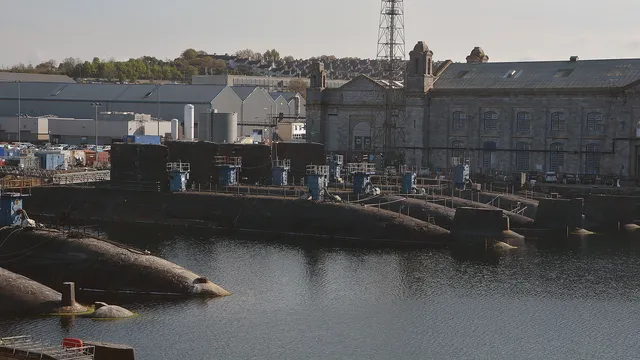
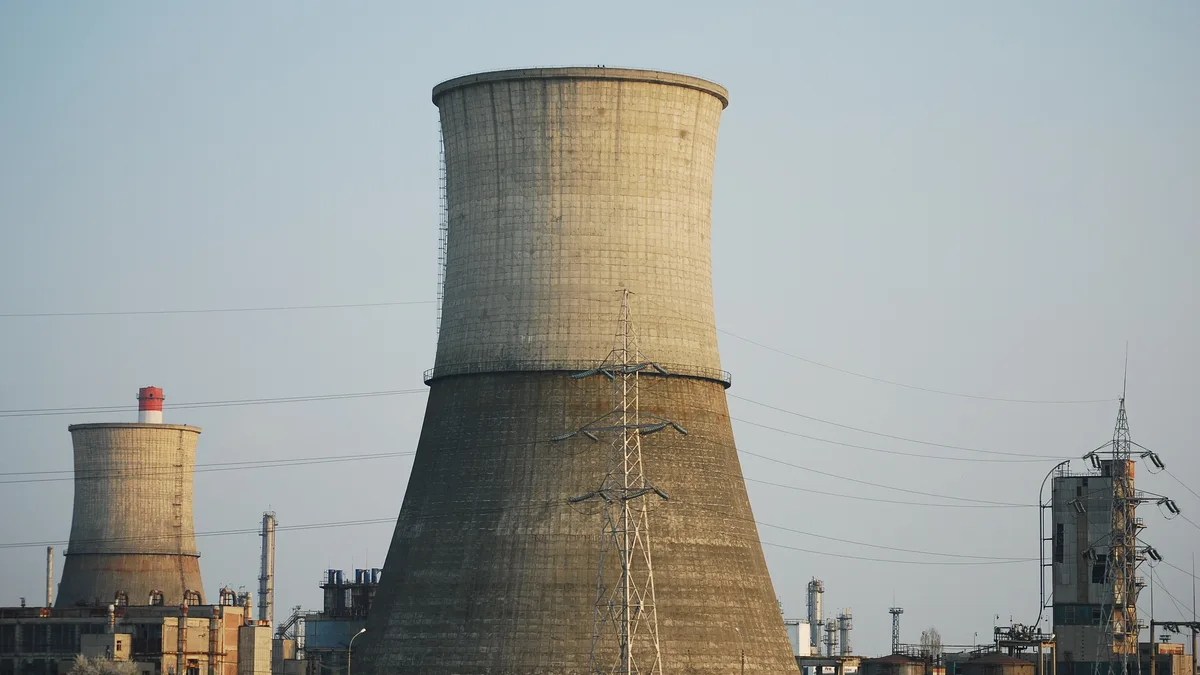
Among the assets is the Lukoil Neftochim refinery in Burgas, Bulgaria, BGNES reported. Reuters said the portfolio also includes refineries in Romania and the Netherlands. CNBC, citing sources, said the agreement would allow Europe to buy fuel such as diesel previously produced by Lukoil through the US-led group rather than from Russia.
How the share swap works
No cash is due to go to Lukoil. Reuters reported that the Lukoil securities to be exchanged were bought from US and British funds and US depositary banks that held them for retail investors. These shares were frozen after Russia's full-scale invasion of Ukraine in 2022 and written down. According to Reuters, the swapped shares will be held in an escrow account in the United Arab Emirates rather than going straight to Lukoil. BGNES reported that they will stay in a restricted account for five years or until sanctions are lifted.
The DFC will receive an as yet undisclosed ownership stake, a share of future profits after private investors recoup their capital and an agreed return, and a role on the board, a DFC official told Reuters. "Moving strategic energy infrastructure assets into US or allied partners' hands is a key policy priority of the administration," the official said. Boehly declined to detail the consortium partners' stakes.
Approval and timing
The United States sanctioned Lukoil in October 2025. BGNES reported that on 19 November the US Treasury extended to 19 December the deadline for negotiating contingent agreements on the sale, and that earlier attempts to buy the portfolio involving Gunvor and Carlyle did not result in a completed deal. A source told Reuters that a full OFAC review could take some time given the breadth of the assets. Boehly said closing could take up to a year and that the business would be renamed.
What it means for European founders and investors
For several EU countries, the deal could settle the future of refineries and fuel stations whose ownership has been uncertain since the sanctions. Governments in countries hosting the assets, such as Bulgaria and Romania, are likely to watch the approval process and any conditions closely.
For investors, the structure is unusual: frozen Russian shares held by Western funds are turned into a stake in real assets, with a US government agency as a co-owner. It shows how geopolitics is reshaping ownership of energy infrastructure in Europe. Other recent energy deals include Carlyle and the EBRD's sale of Black Sea oil and gas assets. More deals are in our funding section.
Spotted an error? Email contact@europreneursmedia.com and we'll correct it. See our corrections policy and editorial standards.