CVC and GBL secure about 74% of Recordati in €11bn takeover, short of the 90% needed to delist
The private equity firm and the Belgian investment company passed their two-thirds minimum despite opposition from activist Palliser Capital. The offer reopens from 3 to 9 November.
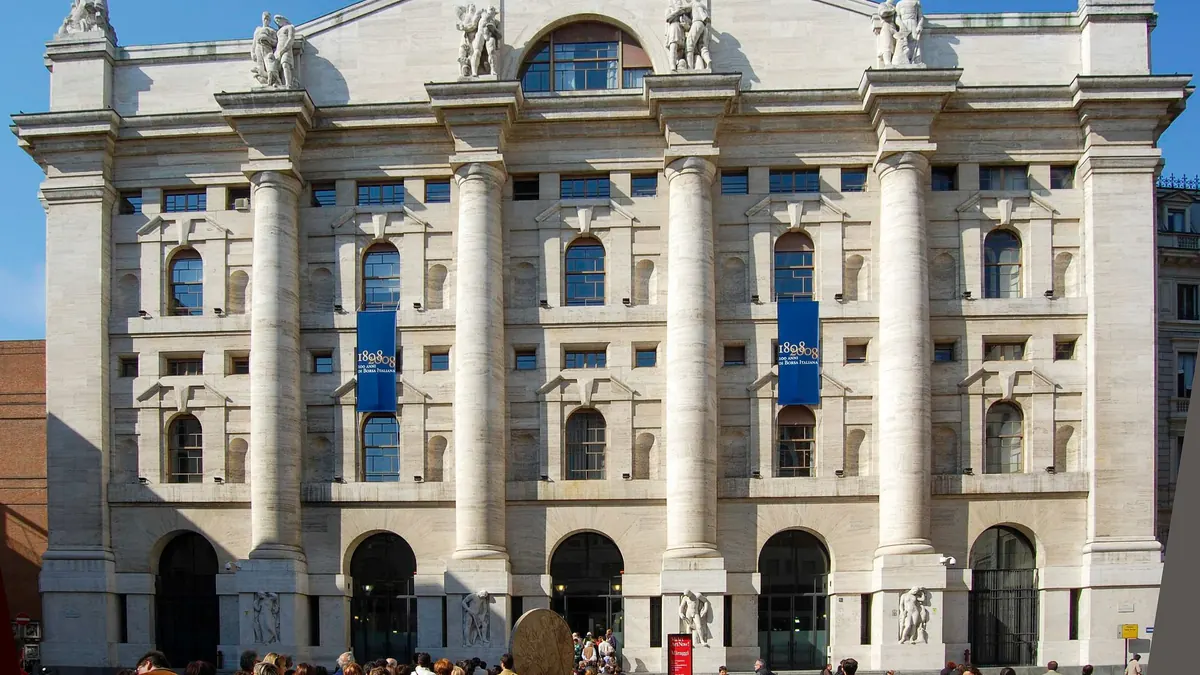
CVC Capital Partners and Belgian investment company Groupe Bruxelles Lambert (GBL) ended the acceptance period of their takeover offer for Italian drugmaker Recordati with a stake of 74.3%, a regulatory filing showed on Friday 23 October 2026, Reuters reported. The all-cash offer of €53 per share values Recordati at around €11 billion.
That puts the consortium above the 66.7% minimum acceptance threshold it had set, but short of the 90% needed to delist the company from the Milan stock exchange. Il Sole 24 Ore puts the final holding at 74.58% of share capital excluding treasury shares; Recordati holds treasury shares equal to around 0.5% of its capital, according to a financial source cited by Reuters.
How the stake adds up
According to Reuters, the Italian Stock Exchange said investors had tendered shares equal to 62.15% of Recordati to the bidding vehicle, Respighi BidCo. On top of that come a 6.9% stake CVC bought on the market, GBL's existing 3.3% holding and a further 1.96% that CVC obtained by exercising derivatives.
Il Sole 24 Ore reports that 129,976,365 shares were tendered, equal to 65.4% of the 198,525,562 shares the offer covered. The two outlets measure the result on slightly different bases, which explains the gap between 74.3% and 74.58%.
A contested price
The deal has been contested since it began. According to Il Sole 24 Ore, CVC, Recordati's controlling shareholder since 2018, approached the board in late March with a non-binding expression of interest. In May it formalised the bid with GBL and co-investors including the Abu Dhabi Investment Authority, the Canada Pension Plan Investment Board and a vehicle linked to chairman Andrea Recordati, at €51.29 per share, valuing the group at about €10.7 billion.
Activist investor Palliser Capital argued that this undervalued the company and, according to Reuters, said the consortium should pay at least €60 per share. Il Sole 24 Ore reports that Recordati's four independent directors also considered the original offer financially inadequate.
On 6 October the consortium raised its offer to €53 per share, or €53.71 including the €0.71 balance of the 2025 dividend already paid, and called it its "best and final" price. Reuters reported that the revised bid was a 16.6% premium to Recordati's closing price on 25 March, the last trading day before the non-binding offer was announced. The bidder described the price as a "full and fair valuation" and pointed to lower valuations in European healthcare and specialty pharma, Il Sole 24 Ore reported. Palliser said it would not tender its shares.
What happens next
The bidders will reopen the offer from 3 to 9 November, Reuters reported, with payment for shares tendered in the main period scheduled for 2 November. If the consortium does not reach 90%, its vehicle has said it could pursue a merger with Recordati, which would leave minority shareholders holding stock in an unlisted company.
Il Sole 24 Ore notes that the current stake already gives CVC and GBL control of the extraordinary general meeting, which would allow such a merger. Whether the reopening takes them past 90% is the open question.
Key numbers
Offer price: €53 per share (€53.71 including the 2025 dividend balance). Implied value: about €11 billion. Holding at the end of the offer period: 74.3% (Reuters) or 74.58% excluding treasury shares (Il Sole 24 Ore). Reopening: 3 to 9 November 2026.
What it means for European founders and investors
Recordati is not a startup, but the deal shows how private capital is reshaping European listed companies. Large take-privates of this kind are a sign that private equity sees value in European mid- and large-caps at current prices, while the fight with Palliser shows that minority shareholders increasingly challenge the price.
For founders, the more practical signal is about exits. When listed valuations in a sector are low, as the bidder argued for European specialty pharma, private buyers step in, and the public market becomes a less obvious end point. For a broader view of where capital is going this year, see our analysis of European tech funding in Q3 2026 and this week's LSEG–Octus deal.
Spotted an error? Email contact@europreneursmedia.com and we'll correct it. See our corrections policy and editorial standards.